
Storm Damage Roofing Leads: Wind and Tornado, Not Just Hail
Good storm damage roofing leads come from knowing exactly which roofs sat inside the damage, not from buying a list of zip codes after the news covers a storm. Wind events, tornadoes and hurricanes tear off shingles, lift decking and drop trees on roofs every week of the year, and many roofers miss that work because they only chase hail. This guide covers how to read each kind of event, build a property list and get to owners while the damage is fresh.
Why wind and tornado damage are worth more attention
Many roofing companies built their storm business around hail. Wind is the bigger, steadier opportunity. Straight-line thunderstorm winds, tornadoes, tropical storms and hurricanes all damage roofs, and they do it in more of the country and in more months of the year.
The volume is real. According to NOAA's National Centers for Environmental Information, the Storm Events Database holds 14,426 records with property damage for 2025, and NOAA's Storm Prediction Center counted 1,383 tornadoes in the United States that year. Each one is a footprint of damaged roofs that someone will replace.
Wind damage is also easier for an owner to see. Missing shingles in the yard, a blue tarp, a tree through the roof or a peeled-back section of flat roof are hard to ignore. That usually means a shorter conversation and a clearer insurance claim.
How each event damages roofs
| Event | What it does to a roof | Where to look |
|---|---|---|
| Straight-line wind | Lifted and missing shingles, creased tabs, ridge cap and flashing damage, fallen limbs | Along the storm track, open areas and exposed rooflines |
| Tornado | From missing shingles at the edges to roof structure loss near the center | The surveyed path and its edges |
| Hurricane | Shingle and siding loss at lower categories, decking and gable end loss at higher ones | Near landfall and along the core of strongest winds |
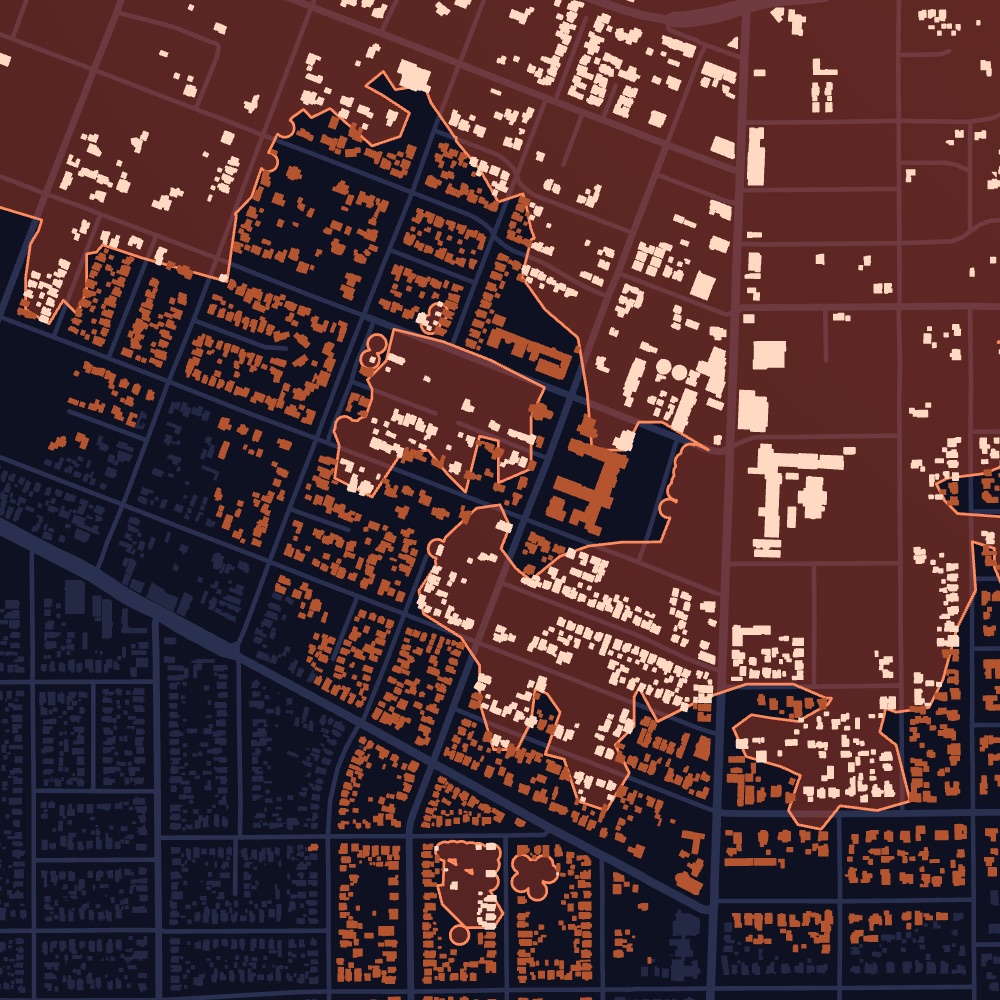
| Wildfire | Total loss inside the burn, ember and smoke damage near the edge | Inside and next to the fire perimeter |
| Hail (often alongside wind) | Bruising and granule loss, more severe with wind-driven stones | The hail swath, checked against ground reports |
Hail still matters, but it often arrives with damaging wind from the same storm, and a roof that took both is a stronger claim than one that took either.
Step 1: Read the event
Wind
For thunderstorm wind, start with the warnings, then confirm with ground reports. The National Weather Service Local Storm Reports record measured gusts, downed trees and structural damage with a time and a location. Our guide to NWS Local Storm Reports explains how to read them.
Tornadoes
For tornadoes, use the National Weather Service damage survey. It gives the path, width and Enhanced Fujita rating. Roofers often find the most workable jobs along the edges of the path, where homes are damaged but standing. Our guide to EF scale property damage explains what each rating means for structures.
Hurricanes
The National Hurricane Center rates hurricanes on the Saffir-Simpson Hurricane Wind Scale. According to the NHC, a Category 1 hurricane (74 to 95 mph sustained winds) can damage the roof, shingles, vinyl siding and gutters of well-built frame homes, and a Category 3 (111 to 129 mph) can remove roof decking and gable ends. The category tells you whether you are looking at repairs or replacements. Our guide to hurricane wind vs. storm surge covers why wind and water damage need to be separated.
Step 2: List the roofs inside the damage
Once you know the footprint, list every property inside it. For each one, you want:
- Address and property type (single-family, multifamily, commercial, agricultural)
- Where it sits in the event (center of the path, edge, near a measured gust)
- Owner of record and owner type (individual, LLC, property manager)
- Roof type if you can tell (shingle, metal, tile, flat)
This is the difference between a list of streets and a list of jobs.
Step 3: Prioritize before anyone drives
Sort the list so crews and sales reps go where the work is.
- Damaged but standing homes along tornado edges and wind tracks come first. They need a roof, not a rebuild.
- Multifamily and commercial roofs with one decision-maker can mean a large job from one conversation.
- Total losses near the center of a tornado or inside a fire perimeter usually start with demolition and rebuild, which takes longer to close.
- Properties outside the confirmed damage go last or come off the list.
Step 4: Reach owners the right way
Contact the owner of record with a short, useful message: the event, the date, the property and what you can do, such as a free inspection or a tarp. Many owners do not know a wind event damaged their roof until someone tells them. Some cities and states regulate door-to-door solicitation and contractor contact after a disaster, so check local permit and licensing rules before you knock or mail.
Step 5: Track what closes
Log every property: contacted or not, inspected, claim filed, signed, installed. After a few events you will know which storm types, property types and parts of a footprint pay off for your company.
Common mistakes
- Treating hail as the only storm worth working and missing year-round wind work
- Canvassing the whole county named in a warning instead of the confirmed damage
- Ignoring commercial and multifamily roofs
- Showing up with no date of loss or weather evidence for the owner's claim
How Dorothy helps
Loss Engine monitors your territories for tornadoes, wildfires, floods, hurricanes and structure fires, finds the properties inside the damage down to the building and matches each one to its owner of record. It researches and qualifies the affected properties and delivers the ones that fit your criteria to your team on your schedule, in HubSpot, Pipedrive or CSV. Envoy can run owner outreach within each state's rules.
Frequently asked questions
What are storm damage roofing leads?
They are properties whose roofs were likely damaged by a specific weather event, matched to an owner you can contact. Good leads come with the event, the date and where the property sat in the damage.
Is wind damage as good as hail for roofing work?
Often it is better. Wind damage happens in more places and more months, and owners can usually see it, which makes the conversation and the claim simpler.
How soon after a storm should I contact owners?
As soon as the footprint is confirmed and it is safe. Open roofs let water in, so owners with visible damage want help quickly.
Do I need to chase storms in other states?
No. Many roofers do better working every wind event and tornado in their own territory than traveling to one large storm.