
Public Adjuster Leads: Where New Claims Really Come From
Public adjusters get new claims from five places: referrals, inbound searches, purchased leads, storm events and their own research on recent losses. The firms with a steady pipeline don't depend on one of these. They know which source produces signed contracts, and they build their own view of where losses are happening so they aren't waiting on someone else's list.
The five sources of PA claims
Every signed contract traces back to a property owner who had a loss and found out a PA could help. What differs is how the firm learned about the loss and how fast.
| Source | How you hear about the loss | Strength | Gap |
|---|---|---|---|
| Referrals (attorneys, contractors, agents, past clients) | Someone sends the owner to you | High trust, high close rate | Arrives on someone else's schedule |
| Inbound search and content | The owner finds you | Owner is already looking | Slow to build, competitive in big markets |
| Purchased or shared leads | A vendor sells you a contact | Fast to start | Often sold to several firms, quality varies |
| Storm events | A hurricane, tornado, flood or wildfire hits your territory | Many losses at once | Seasonal, crowded, rule-heavy |
| Your own loss research | You track losses in your licensed states | You decide what counts as a fit | Takes data and a process |
Referrals: the backbone, not the whole business
Most established firms get a large share of their files from referrals. Attorneys send first-party property clients who need the claim documented. Contractors and restoration companies meet owners who are stuck with the carrier. Past clients tell neighbors.
Referrals close well because trust is already there. The weakness is volume control. You can't make a referral partner have a busy month. If referrals are your only source, your revenue follows their calendar.
Before you set up any referral arrangement, check your state's rules on referral fees and compensation. Some states count referral money toward the PA fee cap, and some limit dual roles between adjusters and contractors.
Inbound: being findable when owners search
Owners who search for help with a claim are already motivated. Pages that explain the claims process for specific loss types (fire, water, wind, flood) and specific areas help them find you. This takes months to build but compounds over time.
Inbound works best for owners who already know their claim is in trouble: a low offer, a denial, a dispute over scope. It does less for owners who don't yet realize they could use a PA.
Purchased leads: know what you're buying
Lead vendors sell contacts tied to recent losses. Some are exclusive, many are shared. Ask every vendor:
- Where does the loss data come from, and how is the address verified?
- How many other firms receive the same lead?
- How old is the loss when it reaches you?
- Was the owner contacted in a way that complies with the state's solicitation rules?
The last question matters. If a vendor's contact method breaks a state rule, the problem can follow the firm that signs the contract.
Storm events: big volume, big competition
Hurricanes, tornadoes, floods and wildfires produce many claims at once in a defined area. They also bring every firm licensed in the state, plus out-of-state adjusters on emergency licenses. Storm work rewards firms that decide quickly which parts of an event had real damage and which property types fit their team.
Our storm marketing playbook for public adjusters covers choosing events, planning territory and measuring results.
Your own loss research: the source you control
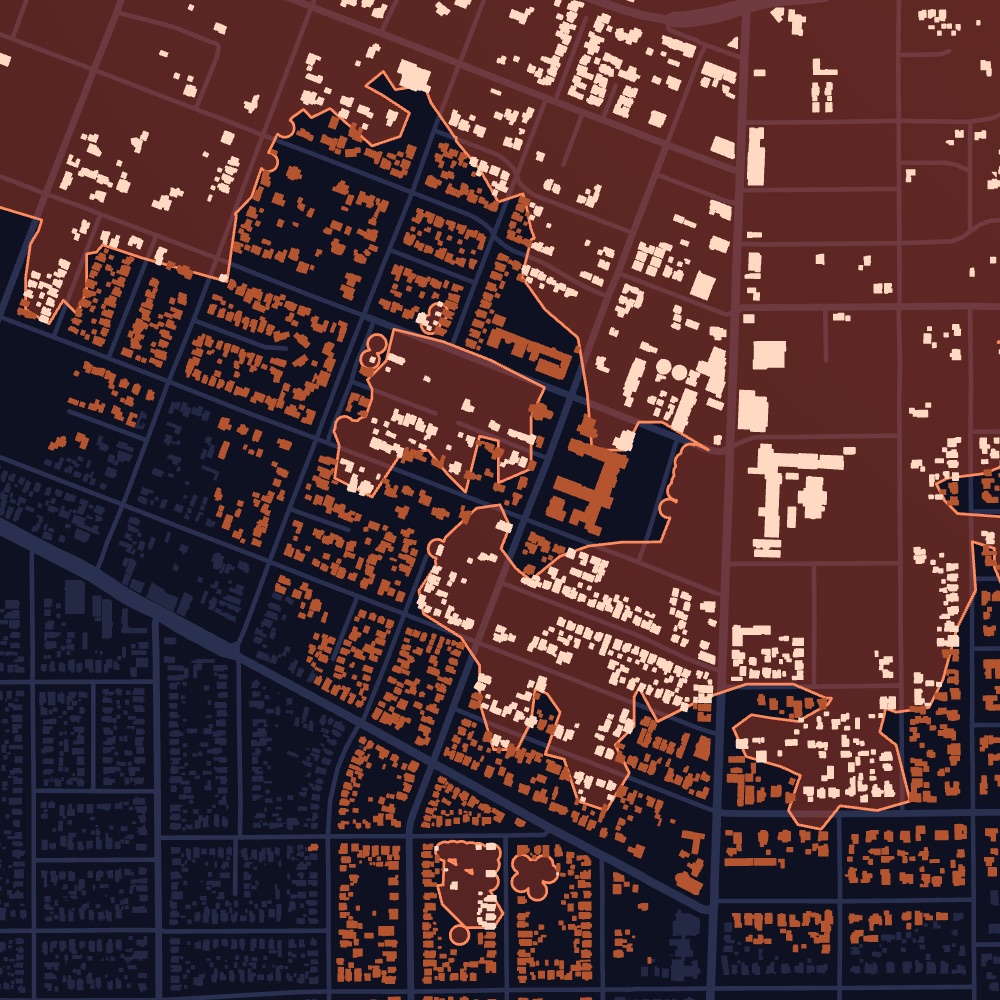
The fifth source is the one most firms underuse. Losses happen every day outside of named storms. Structure fires, flash floods, tornadoes that touch down for a few miles, and commercial losses rarely show up in a lead vendor's feed in time.
Building your own view means:
- Watching your licensed territory, not just the headline events.
- Confirming the loss at the property level: which buildings sit inside the tornado path, flood area or fire perimeter.
- Knowing the owner of record, so you know whether it's an owner-occupant, an investor, an LLC or a commercial landlord.
- Filtering for fit: property type, size and loss type that your firm handles well.
This turns lead generation from something you buy into something you run.
Reaching owners inside the rules
However you learn about a loss, contact with the owner is regulated. Many states bar solicitation while the loss is still happening, some restrict hours, and a few set waiting periods after a loss or a declared disaster. Our guide to public adjuster solicitation rules by state summarizes the main ones. Rules change; confirm with your state's Department of Insurance and counsel before any outreach.
Measuring which source works
Track every file back to its source and look at:
- Signed contracts per source, not inquiries
- Average claim value by source and property type
- Time from loss to signed contract
- Cost per signed contract
A source that sends many inquiries but few signed files is more expensive than it looks. After a few months, the numbers usually show which sources deserve more time and which to drop.
How Dorothy helps
Loss Engine monitors tornadoes, wildfires, floods, hurricanes and structure fires across your licensed states, identifies the affected buildings, matches each one to its owner of record and delivers the properties that fit your criteria to your team on your schedule, in HubSpot, Pipedrive or CSV. How and when you contact owners stays subject to each state's rules.
Frequently asked questions
Where do most public adjusters get their claims?
Most firms rely on a mix of referrals, inbound search, purchased leads and storm events. Firms with steady volume usually add their own research on recent losses in their licensed territory so they aren't dependent on one channel.
Are shared public adjuster leads worth buying?
They can be, if you know how the loss was verified, how many firms got the same contact and whether the owner was contacted lawfully. Compare cost per signed contract, not cost per lead.
How do I find claims outside of hurricane season?
Look at everyday losses: structure fires, flash floods, smaller tornadoes and commercial water or fire losses. These happen year-round and get less attention from other firms.
Can I contact an owner as soon as I learn about a loss?
Not always. Many states prohibit solicitation during the loss-producing event, and some set contact hours or waiting periods. Check the current rules with your state's Department of Insurance and counsel.