
Property Portfolio Monitoring for Storm and Fire Damage
Property portfolio monitoring means knowing, asset by asset, when a storm, flood, wildfire or fire is forecast to reach a property and when it actually hits. The goal is simple: hear about an event at one of your assets from your own system first, not from a tenant, a lender or the news. This guide covers what to monitor, how to set it up and how to turn an alert into action.
Why portfolios need event monitoring
Most asset managers already track risk at acquisition and once a year at insurance renewal. What falls between those dates is the actual weather. A tornado warning over one submarket, a river cresting near a logistics park or a wildfire moving toward a garden-style community can all change the status of an asset within hours.
When a portfolio spans many states, nobody on the team is watching every county. Property managers see what happens at their own buildings, but reports up the chain are uneven. Some arrive in minutes, some the next morning, some only when a repair invoice shows up. A monitoring program closes that gap with one consistent view across the whole portfolio.
What to monitor
Not every weather event matters. Focus on the perils that cause real property damage and on the stage of each event.
| Peril | What to watch before | What to confirm after |
|---|---|---|
| Tornadoes and severe wind | Watches and warnings over your assets | Storm reports and damage paths near each address |
| Floods and flash floods | Flood warnings, river forecasts, heavy rain outlooks | Which assets sit inside the flooded area |
| Hurricanes and tropical storms | Forecast track and timing | Wind and storm surge impact by property |
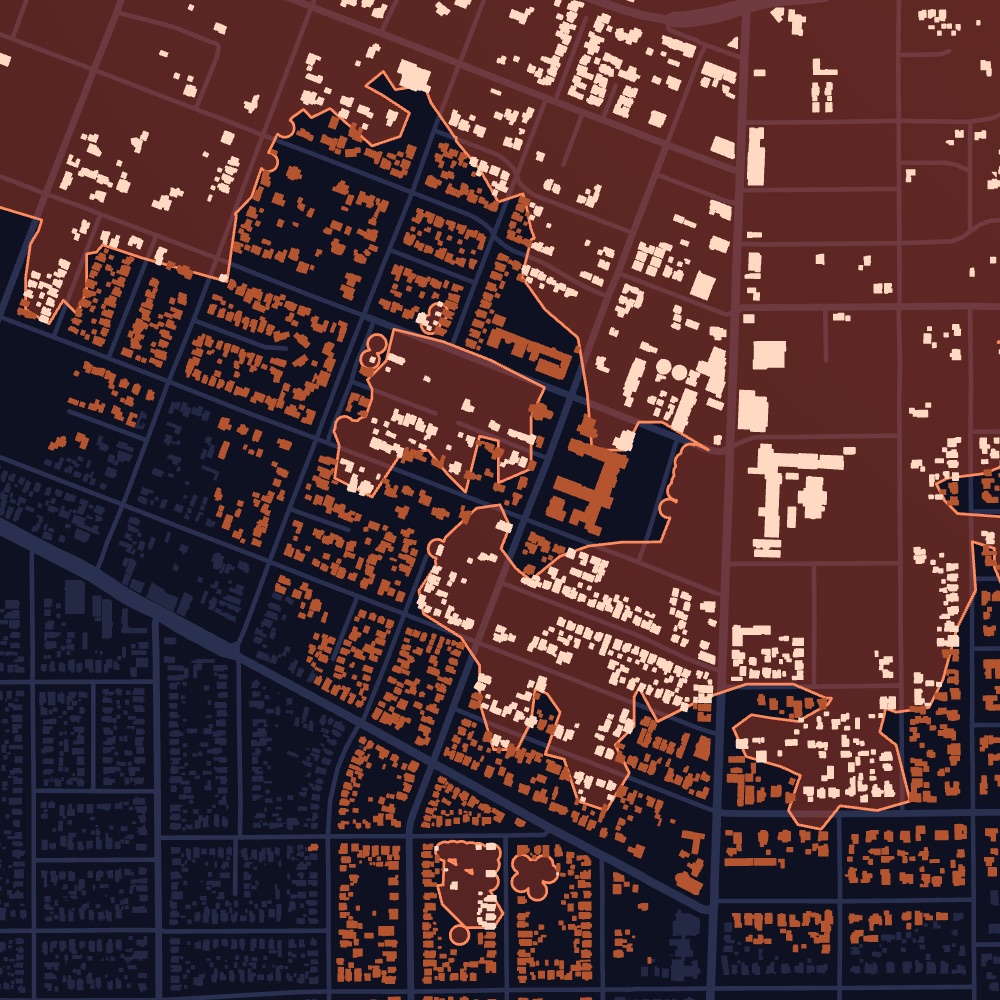
| Wildfires | Fire perimeter growth toward your assets | Whether any asset is inside or near the burn perimeter |
| Structure fires | Not forecastable | Fires reported at or next to your buildings |
Hail can be tracked too, but for most portfolios it is one input alongside wind, flood and fire rather than the main concern.
Before and after: two kinds of alerts
A useful monitoring setup sends two different alerts, because they lead to different actions.
Forecast alerts
A forecast alert says an event is expected to reach one or more assets. This is the time to prepare: confirm site contacts, check that sump pumps and generators work, move vehicles and inventory, secure loose items on roofs and make sure tenants have been told what to expect. For hurricanes and river floods there may be days of notice. For tornadoes and flash floods there may be minutes.
Impact alerts
An impact alert says the event touched down on or near a property. This is the time to check on people and the building, start documentation and decide who goes to the site. An impact alert should name the specific asset, not just the county, so the right property manager can act on it.
How to set up portfolio monitoring
- Build a clean asset list. Every property needs a verified address, coordinates, property type, the responsible property manager and an after-hours contact. Bad addresses produce missed alerts.
- Group assets the way you manage them. By fund, region, property type or manager, so each alert goes to the people who own that asset.
- Choose the perils and thresholds. Decide which events trigger a notification. A severe thunderstorm watch over a whole state may be noise; a tornado warning polygon over an asset is not.
- Route alerts to people, not inboxes. Name a first responder for each asset group and a backup for nights and weekends.
- Connect to your systems. Send alerts into the tools your team already uses so events become tracked items, not forwarded emails.
- Log every event. Record the alert, the asset, what was found on site and what it cost. Over time this becomes your own loss history.
- Review quarterly. Look at which alerts led to action and which did not, and adjust thresholds.
Who should own monitoring
In most firms it works best with a clear split:
- Asset management owns the asset list and decides which events matter.
- Property management acts on site: inspects, secures, documents and talks to tenants.
- Risk or insurance is told early when an event may lead to a claim, so they can work with the broker under the policy.
- Investor relations and finance get a summary when an event is material, so reporting to LPs and lenders is accurate and on time.
Writing this down before storm season avoids the familiar problem of everyone assuming someone else is handling it.
Common gaps in portfolio monitoring
- Monitoring only the largest assets and missing smaller properties where damage goes unreported longest
- Relying on property managers to self-report without a standard format
- Watching forecasts but never confirming impact at the address level
- Treating structure fires as a property management issue and leaving them out of portfolio reporting
- Keeping event records in email, so nobody can see the pattern a year later
Free public sources worth knowing
Your team can check past and recent events with official data. NOAA's Storm Events Database holds records of severe weather collected by the National Weather Service, searchable by state and county. The Storm Prediction Center publishes daily storm reports for tornado, wind and hail. These are useful for review and research, but they are not built to alert you about your own addresses.
How Dorothy helps
Atlas monitors your property portfolio for tornadoes, wildfires, floods, hurricanes and structure fires down to the building. It alerts your team when a storm is forecast to hit one of your assets and again when it touches down, so the right people know which properties to check first. Alerts can be delivered into HubSpot, Pipedrive or as a CSV.
Frequently asked questions
What is portfolio weather monitoring?
It is tracking weather and fire events against the exact addresses in your portfolio, so you are alerted when an event is forecast to reach an asset and when it actually hits.
How is this different from a climate risk score?
A risk score estimates how likely a hazard is over time. Monitoring tells you what is happening to your assets now. Most firms use both.
Which assets should we monitor first?
Start with the full list if you can. If not, begin with assets in tornado, flood, hurricane and wildfire areas, and those with the least on-site staff.
Who should receive the alerts?
The person who can act on site for that asset, plus a backup for nights and weekends. Asset managers and risk teams can receive a summary.