
Storm Marketing for Public Adjusters: A Compliant Playbook
Storm marketing for public adjusters works best when it starts with data and stays inside the rules. This playbook covers how to choose events, plan territory, stay compliant and measure what's working.
What storm marketing means for a PA firm
Storm marketing is how a public adjusting firm builds awareness and gets hired after major weather events. Done well, it's less about volume and more about decisions:
- Which events are worth your firm's time?
- Which areas within those events had real damage?
- What kinds of properties and owners are affected?
- When and how are you allowed to communicate?
Firms that answer these questions with data waste less money and take on fewer compliance risks.
Start with compliance
Public adjusters are licensed and regulated by each state. Before any campaign, know the rules in every state where you plan to work.
What to check in each state
- Licensing. You need to be licensed where the property is located. Some states offer emergency or temporary licensing after declared disasters; check the current process.
- Solicitation rules. Many states regulate how and when public adjusters can solicit property owners. Some set waiting periods after an event or a loss. Some limit contact hours or methods.
- Disclosures and contracts. States often require specific contract language, fee disclosures, fee limits in some situations and cancellation rights.
- Advertising rules. Some states regulate the content of PA advertising.
Rules change, especially after major disasters. Check your state insurance department's current guidance before each event, and when in doubt, ask counsel. Build your timing around the rules, not the other way around.
Step 1: Decide which events matter
Not every storm justifies a campaign. Look at:
- Intensity at the property level. Hail size and wind speed across the swath, tornado path and EF rating, flood depth, hurricane wind and surge, wildfire perimeter.
- Ground truth. Do NWS Local Storm Reports and imagery confirm damaging conditions on the ground?
- Footprint size. How many properties sit in the damaging part of the event?
- Your license footprint. Is the event in a state where you're licensed, or can be?
A small but intense hail core over a dense commercial district may be worth more attention than a wide swath of small hail over farmland. The data tells you which is which.
Step 2: Plan territory with property data
Once you've picked an event, break it into territories.
Property mix
Look at the mix of residential, commercial, industrial, agricultural and multifamily properties in the damaged area. Each calls for different expertise and staffing. A firm strong in commercial claims may focus on retail centers and warehouses; another may focus on residential neighborhoods.
Owner type
Owner type shapes how you plan:
| Owner type | Planning consideration |
|---|---|
| Individual owner-occupant | Usually one property; personal decision-maker |
| LLC or investor | May own several affected properties |
| Property management firm | Decisions may sit with a manager, not the owner |
| Commercial owner | Larger losses; more complex policies |
| Agricultural operation | Multiple structures; often rural and under-documented |
Concentration
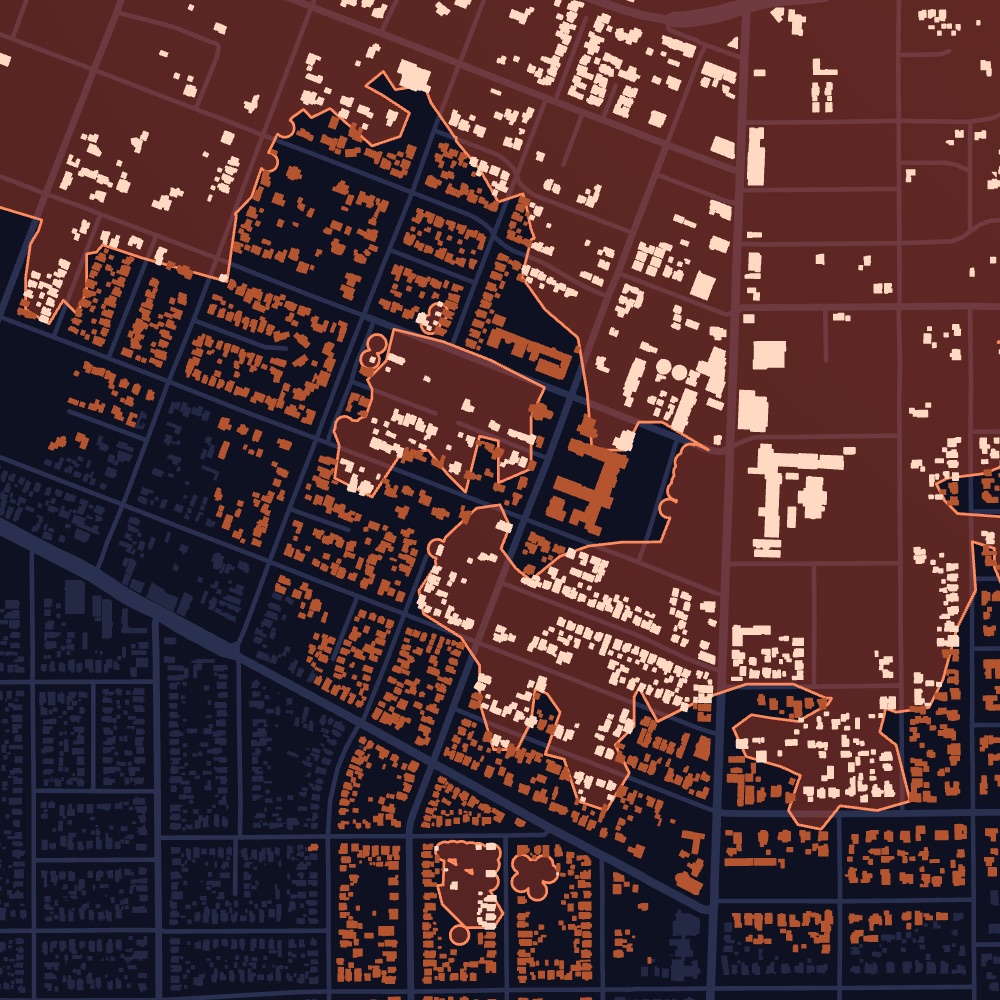
Look for clusters: streets or districts where damage is consistently severe, and owners with multiple affected properties. These help you assign staff efficiently.
Step 3: Choose your channels
Pick channels that fit your state's rules and your brand. Common options include:
- Local presence. Community events, local offices, partnerships with local organizations.
- Search and content. Pages and guides about the event type and area, so owners can find you when they're looking.
- Paid digital advertising targeted to affected areas, where permitted.
- Direct mail, where permitted and with required disclosures.
- Professional referrals. Attorneys, contractors and other professionals. Check your state's rules on referral arrangements and fees before setting any up.
Whatever channels you use, make sure the message, timing and method meet your state's requirements.
Step 4: Prepare documentation before you're hired
The same data that guides territory planning also supports the claim once an owner hires you. Before you meet an owner, you can know:
- The event and date of loss at the property
- Hail size, wind speed, flood depth, surge or tornado rating at that address
- Nearby storm reports with measured values
- Owner and property type
That preparation makes your firm look organized and saves time when the claim begins. Our guide on how to verify date of loss covers the evidence in more detail.
Step 5: Measure what works
Track results by event, territory, property type and channel:
- Cost per signed client
- Average claim size by property type
- Which events and intensities produced the most viable claims
- Which channels drove signed contracts, not just inquiries
Over a few seasons this tells you which events to pursue, which property types fit your firm and where to spend.
Mistakes to avoid
- Acting before checking the rules. Waiting periods, hour limits and disclosure requirements apply regardless of how good your data is.
- Chasing every storm. Small, low-intensity events eat budget.
- Treating a county as a territory. Damage is uneven; plan at the property level.
- Ignoring non-residential properties. Commercial, industrial, agricultural and multifamily claims are often under-served.
- Skipping verification. Ground reports and imagery protect your credibility and your claims.
How Dorothy helps
- Loss Engine monitors every hurricane, tornado, flood and wildfire in your licensed states and counties.
- It finds the properties affected, matches them to the owner of record, and delivers the ones that fit your criteria to your BD team, daily, weekly or monthly.
- When and how you reach out remains subject to each state's solicitation rules.