
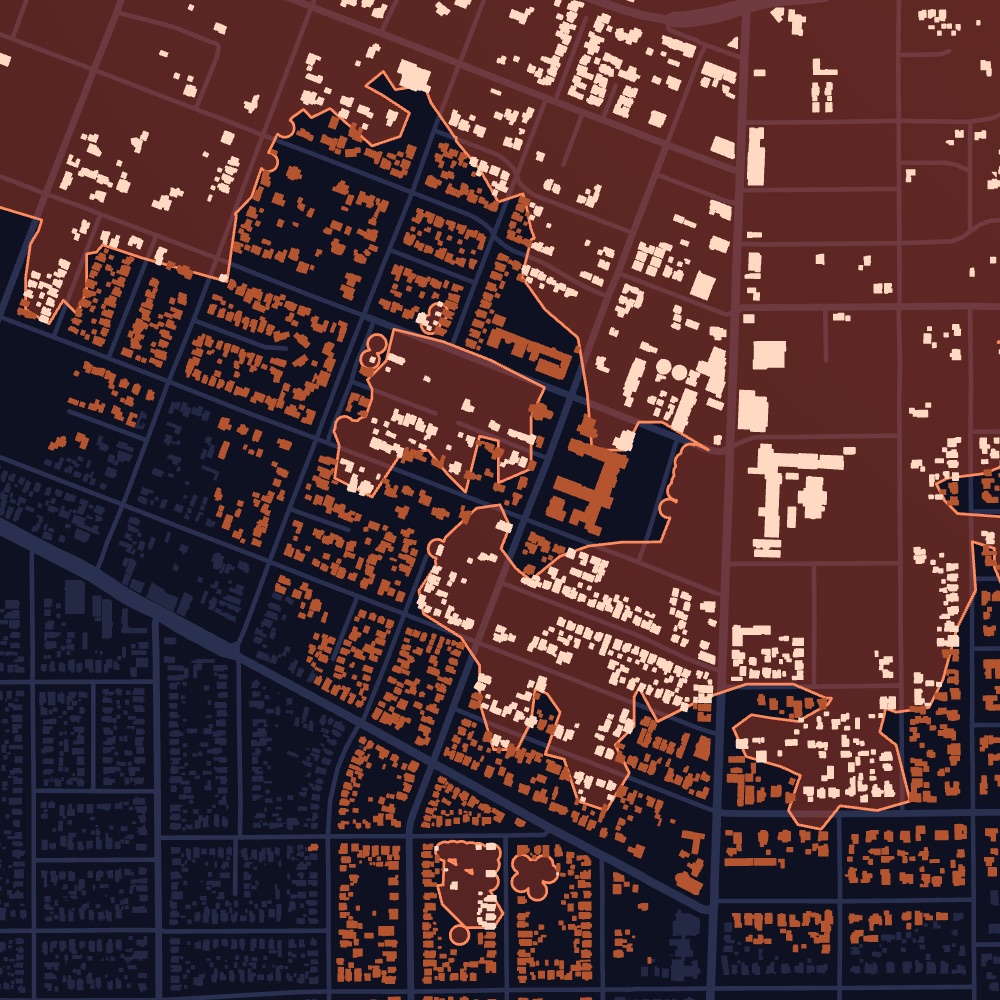
Hurricane Wind vs. Storm Surge Damage: Key Differences
After a hurricane, the most important question at many coastal properties is not how much damage there is. It's what caused it: wind or water. That distinction often decides which policy responds, and it's at the center of many hurricane disputes.
Two different hazards
A hurricane brings several hazards at once. Wind and storm surge are the two that most often overlap at the same property.
Wind
Hurricane wind damage comes from sustained winds and gusts. It affects roofs, openings, siding and anything not well attached. Once the building envelope is breached, rain can enter and cause interior water damage.
Storm surge
Storm surge is the abnormal rise of seawater generated by a storm, above the predicted astronomical tide. Surge is pushed ashore by the storm's winds and can flood coastal areas well inland, depending on the coastline and terrain. It is measured in feet of water, and the depth at any one property depends on its location and elevation.
Inland flooding from heavy rain is a separate hazard again. It can affect properties far from the coast.
The Saffir-Simpson scale only covers wind
Hurricanes are categorized on the Saffir-Simpson Hurricane Wind Scale, based on maximum 1-minute sustained wind speed.
| Category | Sustained wind |
|---|---|
| 1 | 74–95 mph |
| 2 | 96–110 mph |
| 3 | 111–129 mph |
| 4 | 130–156 mph |
| 5 | 157 mph or higher |
Category 3 and above are considered major hurricanes. The scale does not account for storm surge, rainfall flooding or tornadoes. A lower-category storm can still produce a dangerous surge. The category is a poor guide to water damage at any given property.
How the damage looks different
| Wind damage | Storm surge damage | |
|---|---|---|
| Where it starts | Roof, windows, doors, siding | Ground level and up |
| Typical signs | Missing shingles or panels, broken glass, lifted roof decks, debris impact | Water lines on walls, sediment and debris lines, scour, undermined foundations |
| Pattern | Often worse on exposed sides and roof edges | Roughly level water marks across a structure and neighborhood |
| Interior water | Enters from above through openings | Rises from below |
In practice, many properties show both. A roof may lose its covering to wind, then the lower floors flood from surge. Separating the two is where the work gets difficult, especially when a building is destroyed and little remains to inspect.
Why the distinction matters for coverage
What follows is general. Policy language varies, and specific policies and state laws control.
- Flood is commonly excluded. Standard homeowners policies and many commercial property policies typically exclude flood, and storm surge is generally treated as flood.
- Flood coverage is usually separate. It is often provided through the National Flood Insurance Program or a private flood policy, each with its own limits and terms.
- Wind may be covered differently. Depending on the state and the property, wind may be covered under the main property policy or a separate windstorm policy, sometimes through a state wind pool.
- Hurricane and named-storm deductibles. Many coastal policies use separate deductibles for hurricanes or named storms, often expressed as a percentage of the insured value.
- Concurrent causation language. Some policies contain clauses addressing losses caused by a combination of covered and excluded causes. How they apply varies by policy and jurisdiction.
The result: when wind and water both hit a property, the split between them can decide how much is recovered and from which policy.
What evidence helps separate wind from water
Wind field at the property
Estimated wind speeds at the specific location, not just the storm's peak or category. Properties near the eyewall, and those exposed to open water, often see the strongest winds.
Surge depth at the property
The estimated surge depth at the property, considering location and elevation. A property on high ground a few blocks from the shore may see little surge, while a lower one nearby floods deeply.
Ground reports
NWS Local Storm Reports can include measured wind gusts, storm surge and flood observations, and damage remarks. Measured gusts near a property are strong evidence of wind conditions there. See our guide on NWS Local Storm Reports.
Before/after imagery
Imagery can show roof loss, debris fields, water marks and structural change, and helps establish what the building looked like before landfall.
Timing
Wind and surge don't always peak at the same time at a property. A timeline of conditions helps show which hazard caused which damage. Confirming the event date also matters when more than one storm affects an area in a season. See how to verify date of loss.
How each team uses this
- Public adjusters document wind conditions and surge depth at the property to support the parts of a loss each policy should cover. Any contact with owners must follow each state's solicitation rules; check your state's current requirements, which may include waiting periods after an event.
- Restoration companies use where wind ended and water began to plan crews, equipment and the scope of each job.
- Attorneys in first-party disputes use property-level wind and surge data, ground reports and imagery to support or test causation positions, alongside expert analysis.
Every property type is exposed
Coastal exposure isn't only residential. Multifamily buildings, hotels, retail centers, warehouses, ports, marinas and agricultural properties near the coast all face both hazards. Commercial and multifamily properties often carry separate wind, flood and named-storm terms, which makes property-level evidence even more important.
How Dorothy helps
- Hurricane modeling shows wind damage along the track and flooding inland, down to the building.
- Flood modeling shows which properties the water reached and when it peaked.
- Loss Engine matches each property to its owner of record and delivers the ones that fit your criteria.