
Roofing Canvassing: Which Streets to Knock After a Storm
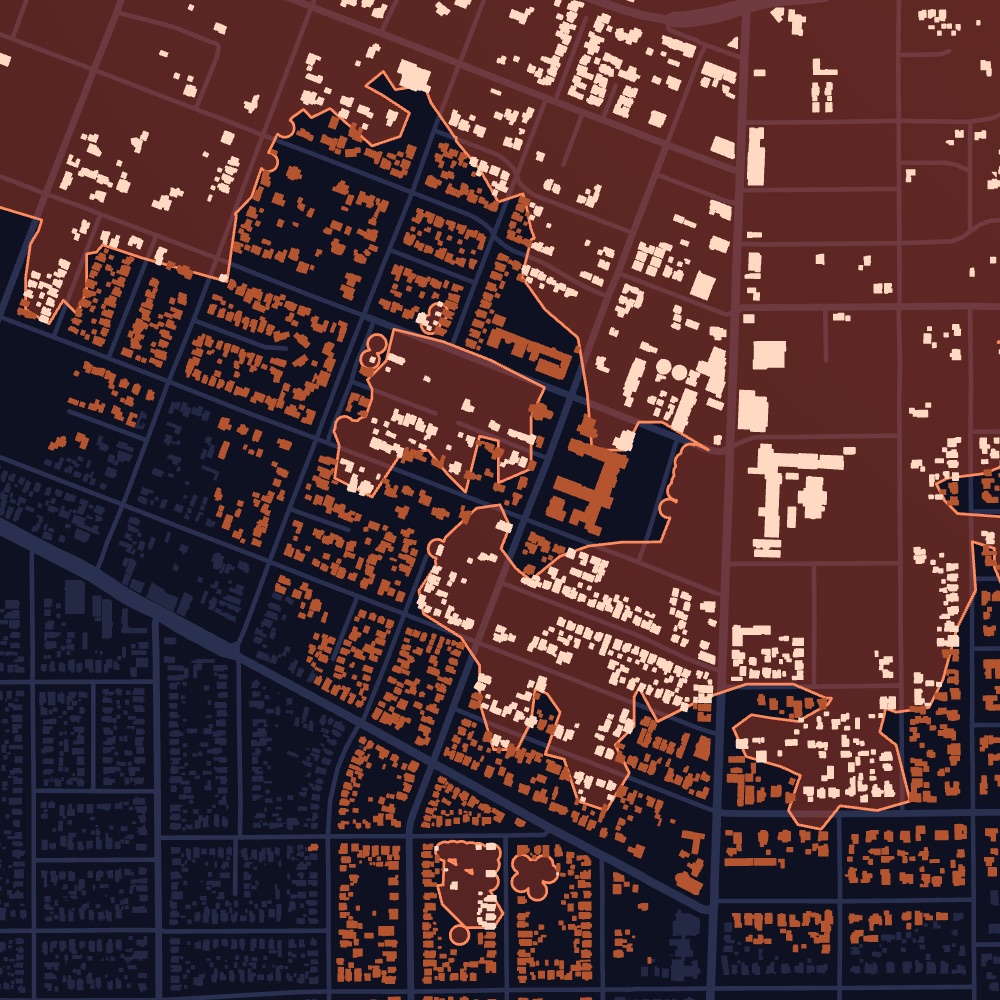
After a storm, knock the streets inside the confirmed damage footprint, starting where roofs are damaged but homes are still standing, and skip the streets the storm only grazed. A warning or a news report covers a county. Your canvassers need a short list of blocks, in order, with the owner of each property. This guide shows how to build that list for wind, tornado and hurricane events.
Why most canvassing time is wasted
Door knocking is still one of the most reliable ways roofers book inspections. The problem is where the doors are. Canvassers sent to "the area that got hit" spend hours on blocks with no damage, talk to renters who cannot sign, and miss the street two miles away that lost half its shingles.
Watches and warnings are too broad to plan a canvass. According to NOAA's Storm Prediction Center, a typical severe thunderstorm or tornado watch covers about 25,000 square miles. Warnings are smaller but still cover far more ground than the damage. A tornado path or a wind track is often a narrow band inside that area.
Step 1: Confirm the footprint
Before you send anyone, confirm where damage actually happened.
- Tornadoes: use the National Weather Service damage survey for the path, width and rating. See our guide to the EF scale and property damage.
- Straight-line wind: check NWS Local Storm Reports for measured gusts, downed trees and roof damage, with times and locations. Our guide to NWS Local Storm Reports covers how.
- Hurricanes: look at where the strongest winds came ashore and track inland, not just the landfall point.
- Hail, when it comes with wind: check ground reports of stone size against the swath. Our guide on finding hail-damaged properties has the details.
A good rule: if you cannot point to a report or survey near a street, do not put it on the first day's route.
Step 2: Score the streets
Not every damaged street is equal. Score each block on a few things you can check from a desk.
| Factor | Knock first | Knock later |
|---|---|---|
| Position in the event | Edge of a tornado path, near a measured gust | Far side of the warning area |
| Roof condition | Older roofs, visible tarps, debris in yards | Recently replaced roofs |
| Ownership | Owner-occupied homes, one owner for many units | Rentals with absentee owners (mail instead) |
| Property type | Single-family streets in clusters, small multifamily | Scattered rural properties |
| Access | Walkable blocks, safe roads | Closed roads, active cleanup zones |
Owner of record matters more than most teams think. A door answered by a tenant is a polite conversation and no signature. If the owner lives elsewhere, mail or call the owner instead of knocking.
Step 3: Build routes by cluster
Group the top-scoring streets into clusters a canvasser can work in a few hours. Then:
- Assign one cluster per canvasser or pair
- Order clusters by damage first, distance second
- Give each canvasser the address list with owner names and owner type
- Note any streets with commercial or multifamily buildings for a sales manager to handle directly
- Set a target for inspections booked, not doors knocked
Working one cluster completely is better than sampling a few houses on many streets. Neighbors talk, and a crew on one roof brings the next three.
Step 4: Know what to say
Keep the conversation short and specific:
- The date of the storm and what was reported nearby
- What you noticed on their roof or their street
- An offer of a free inspection, with photos
- Your license, insurance and local address
Avoid pressure and avoid promising what insurance will pay. The inspection and the photos do the selling.
Step 5: Follow the rules
Many cities require a solicitor or peddler permit for door-to-door sales, and some states have specific rules for contractors working after a declared disaster. Check the city, county and state rules where you are canvassing before the first knock, and keep the permit with each canvasser. Respect "no soliciting" signs.
Step 6: Log every door
Record each address: no answer, not interested, inspection booked, claim filed, signed. Log the reason when someone says no. After a few storms you will see which positions in a footprint, roof ages and neighborhoods produce signed jobs, and you can tighten the scoring.
Canvassing checklist
- Damage footprint confirmed from surveys or ground reports
- Streets scored by position, roof age, ownership and access
- Absentee owners moved to mail or phone
- Clusters assigned with address and owner lists
- Permits and local rules checked
- Results logged per address in your CRM
How Dorothy helps
Loss Engine monitors your territories for tornadoes, hurricanes, wildfires, floods and structure fires and finds the properties inside the damage down to the building. Each property is matched to its owner of record, so you can tell owner-occupied homes from absentee owners before anyone drives. Qualified properties arrive on your schedule in HubSpot, Pipedrive or CSV, ready to split into routes. For owners you cannot reach at the door, Envoy can run outreach within each state's rules.
Frequently asked questions
How do I know which neighborhoods to canvass after a storm?
Use NWS damage surveys and Local Storm Reports to find where damage was confirmed, then list the streets inside that footprint. Skip areas that were only under a warning.
Should I knock on rental properties?
Usually not first. A tenant cannot approve a roof. Find the owner of record and contact the owner directly.
How many doors should a canvasser knock per day?
There is no single right number. Measure inspections booked per cluster instead of doors, and move canvassers to the clusters that book.
Do I need a permit to door knock for roofing?
Many cities require one. Check the city and county rules where you are working before you start.