
How to Reopen an Insurance Claim After a Storm: A PA Guide
Many storm claims are closed for less than the loss is worth, or denied outright, and a public adjuster can often help the owner reopen them through a supplemental claim, a reconsideration request or appraisal. The key steps are confirming the policy and any deadlines, documenting what was missed, and proving the damage came from the storm on the date of loss. This guide walks through each step.
Why storm claims end up underpaid
After a hurricane, tornado, flood or major wind event, carriers handle many claims at once. Field adjusters move quickly and scopes get missed. Common reasons a storm claim is underpaid or denied:
- Hidden damage found later: water intrusion inside walls, damaged decking under shingles, wet insulation, mold.
- Scope gaps: interior damage, contents, code upgrades or detached structures left out.
- Pricing: repair prices that don't reflect local costs after a regional event.
- Causation disputes: the carrier attributes damage to wear and tear, a different event or a date outside the policy period.
- Wind versus water: on hurricane losses, disputes over whether wind or surge caused the damage. See hurricane wind vs. storm surge.
- The owner accepted the first offer without knowing they could ask for more.
Reopening vs. starting over
These terms get mixed up:
| Path | What it is | When it fits |
|---|---|---|
| Supplemental claim | A request for more money on the same claim for damage or costs not included | New or missed damage found after the first payment |
| Reconsideration or re-inspection | Asking the carrier to review its decision with new evidence | Denial or low scope you can rebut with documentation |
| Appraisal | A policy process for resolving disputes over the amount of loss | Agreement on coverage, disagreement on value |
| Litigation | A lawsuit, handled by counsel | Coverage or bad faith disputes; refer to an attorney |
A PA can help with the first three. Coverage disputes that need a lawsuit belong with a licensed attorney.
Deadlines come first
Before any work, check the time limits. The policy sets conditions on reporting, supplements and suits, and state law can affect them. Deadlines vary by state, by policy and by type of claim. Read the policy, confirm the dates with the owner and, when in doubt, ask counsel. A strong supplemental claim filed too late can fail on timing alone.
A supplemental claim checklist
- Get the policy and claim file. Declarations, full policy form, endorsements, the carrier's estimate, photos, correspondence and payment history.
- Confirm the date of loss. Match the reported date to the actual event at the address. See how to verify date of loss.
- Re-inspect the property. Document everything the first scope missed, with photos and measurements.
- Build the weather record. Tornado path and EF rating, wind speeds, flood depth, surge, nearby NWS Local Storm Reports and before and after imagery.
- Write a revised estimate with local pricing and line items tied to evidence.
- Address causation directly. Show why the damage matches the storm and not wear and tear or another date.
- Submit in writing with a clear cover letter and keep a record of every exchange.
- Track responses and deadlines until the claim is resolved.
Why weather evidence matters on a reopened claim
On a reopened claim, the carrier has already made a decision. To change it, you need evidence the first review didn't consider. Weather data at the property level is often the missing piece:
- It ties the damage to a specific event and date.
- It shows the intensity at the address, not just in the county.
- It answers "how do we know this was the storm?" with official records.
Our guide to the EF scale and property damage explains how tornado ratings relate to the damage you document.
Finding owners who may have underpaid claims
Underpaid claims often surface months after an event, when owners find new damage or realize their repairs cost more than the payout. Firms find these files through referrals from contractors and roofers who see the gap firsthand, through owners searching for help, and by keeping a record of past events in their territory so they understand which areas were hit hardest.
Any outreach to owners about a past event is still solicitation and is subject to state rules on hours and methods. See our solicitation rules by state. Rules change; confirm with your state's Department of Insurance and counsel.
Common mistakes
- Starting work before checking policy and legal deadlines
- Submitting a higher number without new evidence
- Relying on county-level weather instead of the property's location
- Mixing up two events with close dates
- Taking on coverage disputes that need an attorney
How Dorothy helps
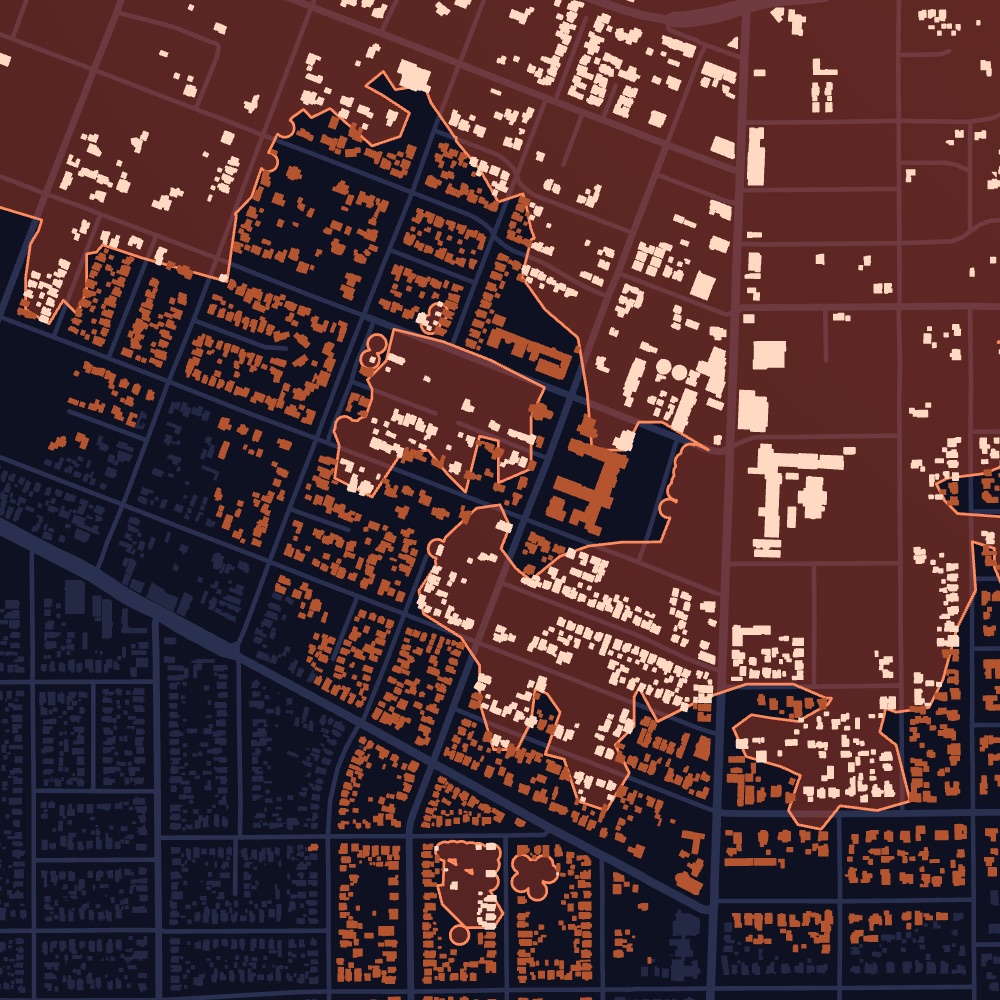
Loss Engine monitors tornadoes, wildfires, floods and hurricanes in your territories and identifies the properties inside each event's footprint, matched to their owners of record. That gives your team a property-level record of which buildings each event touched, useful both for planning and for supporting the date of loss and intensity on a supplemental claim.
Frequently asked questions
Can you reopen an insurance claim after it's been paid?
Often, yes, through a supplemental claim for damage or costs that weren't included. Whether and how long you can do it depends on the policy and state law, so check deadlines first.
What is a supplemental claim for a public adjuster?
A request for additional payment on an existing claim, backed by new documentation such as missed damage, revised pricing or causation evidence.
How does weather data help a denied storm claim?
It ties the damage to a specific event and date at the property, and shows the intensity there, which helps answer causation and date-of-loss disputes.
When should a PA refer a claim to an attorney?
When the dispute is about coverage, bad faith or a lawsuit is needed. PAs handle the claim and its value; legal action belongs with counsel.