
Hurricane and Wildfire Rebuilds: How Contractors Find the Work
Contractors find hurricane and wildfire rebuild work by mapping the event, sorting damaged properties into repairs and full rebuilds, and reaching owners of record with a plan that fits where they are in recovery. Hurricanes produce a wave of roof repairs and replacements in the first weeks. Wildfires produce fewer, larger rebuilds that run for months or years. The work, the timing and the owners are different, so the approach should be too.
Two kinds of rebuild work
| Hurricane | Wildfire | |
|---|---|---|
| Main damage | Wind damage to roofs and siding, water intrusion, flooding near the coast | Total loss inside the burn, smoke and ember damage near the edge |
| First need | Tarps, dry-in, roof repairs and replacements | Debris removal, site clearing, then design and permits |
| Timing | Weeks to a few months for most roof work | Months to years for full rebuilds |
| Job size | Many mid-size roofing jobs | Fewer, much larger construction projects |
| Owner situation | Usually living in or near the home | Often displaced, dealing with insurance and temporary housing |
Hurricane roofing jobs
Read the storm by category and track
The National Hurricane Center rates hurricanes on the Saffir-Simpson Hurricane Wind Scale. According to the NHC, a Category 1 hurricane (74 to 95 mph sustained winds) can damage roofs, shingles, vinyl siding and gutters on well-built frame homes. A Category 2 (96 to 110 mph) can cause major roof and siding damage. Category 3 and higher are major hurricanes; a Category 3 (111 to 129 mph) can remove roof decking and gable ends, and a Category 4 can take most of the roof structure.
The category describes the strongest winds, not every address. Damage depends on where a property sat relative to the core of the storm and how far inland it was. Separate wind damage from storm surge and flooding, because the roof work and the claims are different. Our guide to hurricane wind vs. storm surge explains how.
Where the roofing work is
- Along and near the track of strongest winds: roof replacements and decking repairs
- Farther out: shingle, ridge and flashing repairs, often with interior water damage
- Inland: tornadoes spawned by the hurricane, with their own narrow damage paths. See our guide to the EF scale.
Tarping and dry-in come first. Owners remember the company that stopped the water.
Wildfire rebuild work
Understand the scale
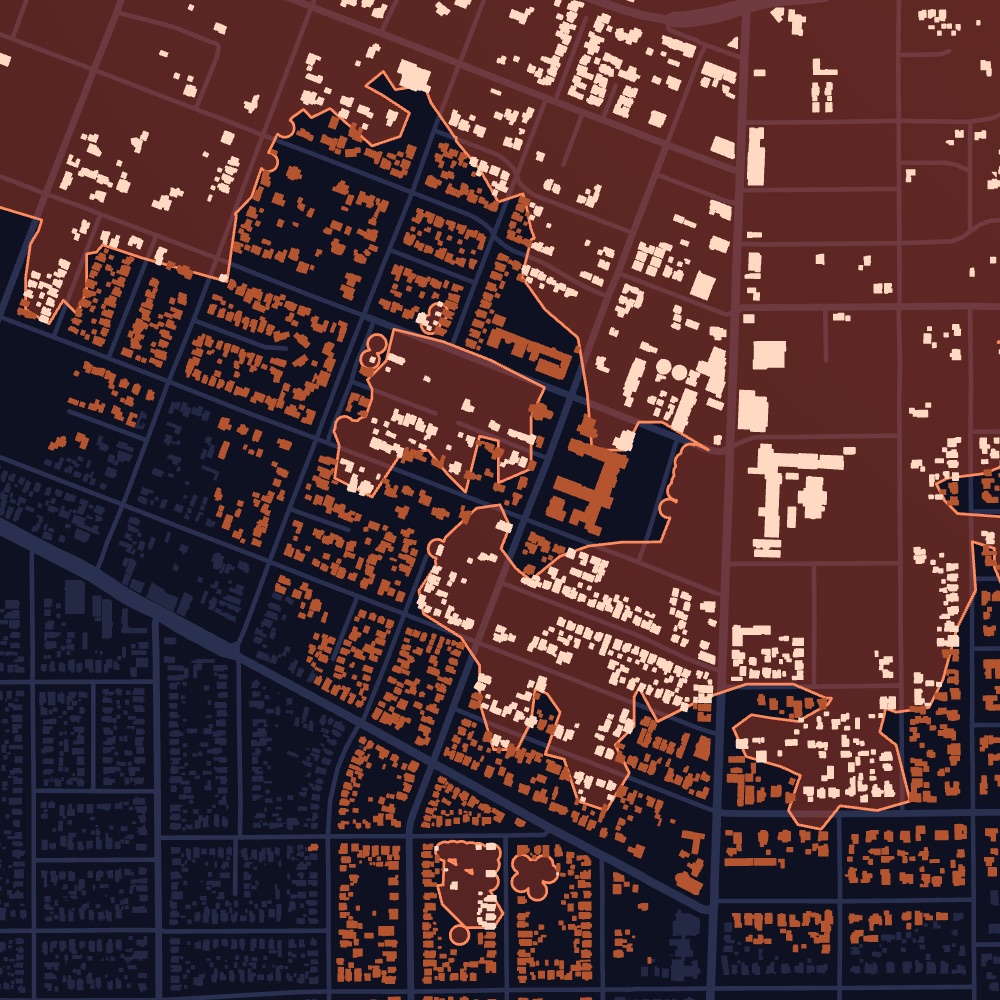
Wildfires that reach neighborhoods leave large, concentrated rebuild areas. At least 23 wildfires in 2025 had more than 50 structures inside their burn areas. The Eaton Fire alone had 10,933 structures inside its perimeter.
Not every structure inside a perimeter is destroyed. Some are total losses, some have partial damage and some have smoke and ash damage only. Contractors should know which is which before contacting owners.
Where the work is
- Total losses: full rebuilds, starting after debris removal and permits
- Partial damage: roof, siding, window and framing repairs
- Edge of the perimeter: smoke, ember and heat damage to roofs, vents, gutters and exteriors
Wildfire rebuilds move slowly. Owners need architects, permits, insurance settlements and sometimes new code requirements before anyone builds. Contractors who stay in touch through that process are the ones hired when construction starts.
Step-by-step: from event to signed job
- Confirm the footprint. Hurricane wind field and track, or the fire perimeter and damage assessments.
- List the properties inside it. Address, property type and owner of record for each one.
- Sort by damage level. Repairs now, rebuilds later, smoke-only as a separate list.
- Check local rules. Licensing, permits and any temporary rules after a disaster declaration. Out-of-state contractors may need a local license.
- Contact owners with the right offer. Tarps and repairs after a hurricane. A rebuild consultation, timeline and references after a wildfire.
- Stay in touch. Rebuild decisions take months. Log every owner and follow up on a schedule.
What owners need from a rebuild contractor
- A local license and proof of insurance
- A clear scope and timeline, especially for permits
- Experience working with carriers and adjusters on large losses
- Patience. Many owners are displaced and overwhelmed.
Never pressure owners right after a disaster, and follow the solicitation and contracting rules in the state and city where you work.
How Dorothy helps
Loss Engine monitors your territories for hurricanes, wildfires, tornadoes, floods and structure fires, finds the properties inside the damage down to the building and matches each one to its owner of record. Qualified properties are delivered to your team on your schedule, in HubSpot, Pipedrive or CSV, so you can keep separate lists for repairs and rebuilds. Envoy can run outreach to owners within each state's rules.
Frequently asked questions
How do contractors find hurricane roofing jobs?
By mapping the storm's track and wind field, listing the properties inside the damage, and contacting owners with tarping, dry-in and roof repair offers soon after it is safe.
When does wildfire rebuild work start?
Usually after debris removal, insurance settlement and permits. That can take months, so contractors who stay in touch with owners early are well placed when construction begins.
Can I work a hurricane or wildfire outside my state?
Possibly, but most states and many cities require local licensing and permits. Check the rules before you travel.
Is every structure inside a fire perimeter destroyed?
No. Perimeters include total losses, partial damage and undamaged structures. Confirm damage level before contacting owners.