
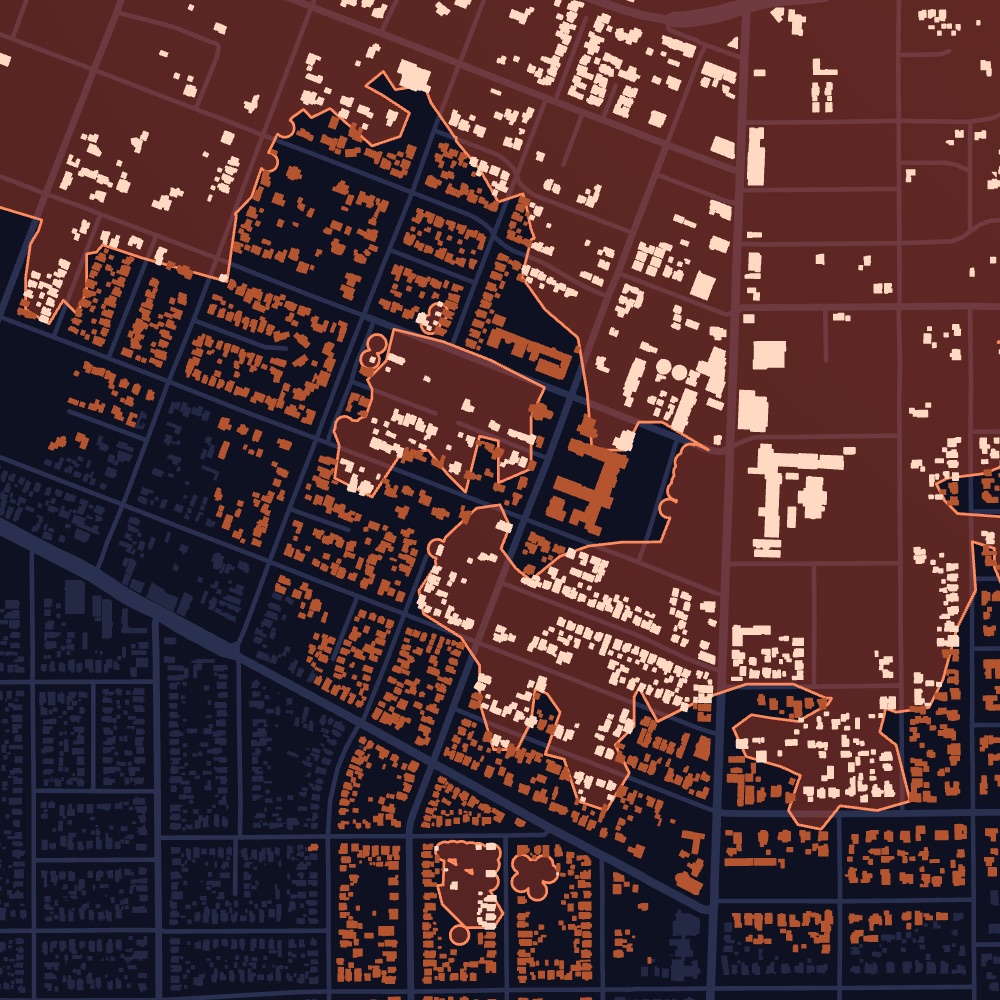
Storm Alerts for Property Managers: Which Buildings Were Hit
Storm alerts for property managers are only useful when they answer one question: which of my buildings are in the path, and which were actually hit. A county-wide warning tells you to pay attention. A property-level alert tells you where to send someone. This guide covers how to set up alerts that do the second job, and what to do with them.
Why county-wide alerts fall short
Most managers start with the same tools everyone else uses: phone alerts, local news, the weather app. Those are built for residents protecting themselves, not for someone responsible for dozens or hundreds of doors spread across several markets.
The gaps show up quickly:
- They are tied to where your phone is, not where your properties are.
- They cover large areas. A warning polygon or a county can hold many of your buildings or none of them.
- They stop at the forecast. Once the storm passes, they don't tell you which buildings sat in the damaging part of it.
- They don't reach the right person. The regional manager for the affected buildings may not be the one who saw the alert.
A tornado path can hit one block and miss the next. Flooding follows terrain and rivers, not county lines. Two buildings in the same ZIP code can have very different nights.
Watches, warnings and what happened on the ground
The National Weather Service uses two terms that matter for planning. According to the NWS, a watch is issued when conditions are favorable for a hazardous weather event, and a warning is issued when the event is imminent or already happening.
For a property manager, these map to different actions:
| Stage | What it means | What to do for your properties |
|---|---|---|
| Watch | Conditions are favorable | Confirm on-call staff, check contact lists, secure loose items at exposed sites |
| Warning | Imminent or occurring | Notify tenants in the area, pause work crews, stand by for reports |
| Event reached the property | The storm, flood or fire touched the building | Schedule inspection, document conditions, start the claim file if needed |
| All clear | Event has passed | Confirm which buildings were not affected, close out |
The third row is where most alert systems go quiet, and it's the one that decides your workload for the next week.
What property-level storm alerts look like
A good alert setup starts from your list of properties, not from a map of the weather. Each address is checked against forecasts and against what actually happened.
Before the event
Forecast-based alerts flag properties that sit in the projected path of a hurricane, tornado, flood or wildfire. This gives your team time to prepare specific buildings rather than every building in the region.
After the event
Touchdown alerts confirm which properties the event actually reached: buildings in a tornado's damage zone, structures a wildfire likely burned, properties the water reached, and wind damage along a hurricane's track. Our guide to NWS Local Storm Reports explains how to read the public storm reports you can check for any address.
Structure fires
Fires don't come with a forecast. Fire alerts flag structure fires as they are dispatched, with the address and alarm level, so the right manager hears about it early.
Setting up alerts for a portfolio
You don't need a complex system to start. You need a clean property list and clear rules.
- Build one property list. Address, property type, units or square footage, owner entity, and the manager responsible. Include vacant and under-renovation buildings.
- Group by region and type. Garden-style multifamily, high-rise, retail strips and industrial buildings need different responses.
- Decide who gets what. Regional managers get their buildings. Maintenance leads get touchdown alerts. Asset management may want a daily summary.
- Set thresholds. A tropical storm watch over a coastal portfolio may warrant a call. A distant thunderstorm may not.
- Write a first-hour checklist for each event type, so whoever gets the alert knows what to do.
- Review after every event. Which alerts were useful, which were noise, and who should have been told sooner.
After an alert: prioritizing inspections
When several buildings are reached at once, you can't inspect them all in the first hour. Prioritize by:
- Life safety. Occupied residential buildings, especially with elderly or vulnerable tenants.
- Intensity at the property. A building inside a tornado path or flooded area comes before one at the edge of a wind field.
- Building systems at risk. Roofs, basements with mechanical equipment, elevators, fire suppression.
- Vacancy. Empty buildings can sit damaged for days if no one checks.
- Insurance timing. Most policies expect prompt notice. Starting documentation early helps, and our commercial property claim checklist covers what to gather.
Log the alert, the inspection time and what was found for every property. That record supports claims and helps you plan the next season.
Common mistakes
- Relying on personal phone alerts for a portfolio
- Keeping the property list in several spreadsheets that don't match
- Sending every alert to everyone, so people stop reading them
- Treating "no news" as "no damage" for remote or vacant buildings
- Waiting for tenants to report problems
How Dorothy helps
Atlas monitors your property portfolio and alerts you when a storm is forecast to hit one of your buildings and again when it touches down, across tornadoes, wildfires, floods and hurricanes. Dorothy also flags structure fires as they are dispatched, down to the building, and each property is matched to its owner of record.
Frequently asked questions
Are free weather alerts enough for a property manager?
They're a good start for awareness, but they follow your phone's location or a county, not your list of buildings. For a portfolio, you need alerts tied to each address and a record of which buildings the event actually reached.
What's the difference between a storm watch and a warning?
According to the National Weather Service, a watch means conditions are favorable for the hazard, and a warning means it is imminent or occurring. Use watches to prepare and warnings to act.
How do I know which of my buildings were hit after a storm?
Compare each address with what actually happened on the ground, not just the warning area. Official damage surveys and storm reports can help you narrow down affected areas, and property-level monitoring does this matching for you.
Should vacant properties be on the alert list?
Yes. Vacant buildings are the ones most likely to sit damaged without anyone noticing. See our guide to vacant property monitoring.