
Hurricane Bad Faith Claims: What the Weather Data Shows
In a hurricane bad faith claim, weather data rarely proves bad faith on its own. What it does is show what conditions hit the property, when, and how clearly that information was available to the carrier. When public data plainly supports wind damage at an address and the carrier denied or underpaid anyway, that gap is often where a bad faith theory starts.
This guide is general information, not legal advice.
What bad faith means here, in general terms
Bad faith claims generally concern how an insurer handled a claim: whether it investigated, evaluated and paid in a reasonable way. The legal standards, remedies and procedural requirements differ a lot from state to state, and some states have specific steps that must be taken before a bad faith claim can be brought. Confirm the rules in the state where the property is located with counsel who practices there.
Weather data matters because many hurricane disputes come down to facts the carrier could have checked: what hit the property, when it hit, and how strong it was.
Where weather data comes in
| Dispute | Weather question | Data that helps |
|---|---|---|
| Wind vs. water | Did wind damage the structure before or apart from surge or flooding? | Wind field estimates, surge and flood extent, timing of peak wind vs. peak water |
| Cause of loss | Could conditions at the property have caused the damage claimed? | Estimated wind at the address, nearby measured gusts, storm reports |
| Prior damage | Did an earlier storm cause some of the damage? | Event history at the address, before/after imagery |
| Scope | Is the damage consistent with full replacement or only spot repair? | Intensity at the property, damage on neighboring buildings |
| Timing | When was information available to the carrier? | Dates of official reports and when they were published |
Wind vs. surge
At coastal properties, the central question is often whether wind or water caused the damage. Homeowners policies often exclude flood, while flood policies usually cover water but not wind. That split drives many hurricane disputes. Our guide on hurricane wind vs. storm surge damage covers how the two hazards differ.
Weather data helps in two ways. It shows whether damaging winds reached the property, and it shows the timing. Wind and surge don't always peak at the same time at a property. Evidence that the structure was exposed to strong wind before water arrived supports a wind component even where the building later flooded.
Some policies include anti-concurrent causation language that affects how mixed wind and water losses are treated. How that language applies depends on the policy and the state, so it is a question for counsel.
Inland properties
Hurricanes also cause wind and flood damage far from the coast. Inland flooding from heavy rain and river crests can be just as disputed as surge, especially when a property sits outside a mapped flood zone. River gauge data and modeled flood depth at the building help show what happened there.
Building the timeline
A clear timeline is often the most useful thing weather data contributes. Build it from official sources.
- Landfall and track. According to the National Hurricane Center, its Tropical Cyclone Reports include the storm's history and a post-analysis best track of positions and intensities. Use them to anchor when the storm was where.
- Conditions at the property. Estimate peak wind and the timing of peak wind at the address. Note nearby measured gusts from weather stations and storm reports.
- Water arrival. For coastal properties, estimate when surge reached the address and how deep it was. For inland properties, use gauge crests and modeled flood depth.
- Damage observed. Line up photos, imagery and inspection dates against the weather timeline.
- Claim events. Add the date the claim was reported, inspection dates, requests for information and the date of each payment or denial.
- What was available when. Note when official reports and data were published. A carrier's decision made after clear public data was available reads differently from one made before.
Questions to ask about the carrier's handling
Weather data helps you test the carrier's position. Ask:
- Did the adjuster or engineer consider wind conditions at the property, or only the presence of water?
- Did the carrier's report cite weather data, and from which sources?
- Was the denial consistent with the conditions recorded at neighboring properties?
- Did the carrier account for damage that clearly predates water arrival?
- Did the carrier revisit its decision when new information came in?
The answers don't decide a bad faith claim, but they show where the carrier's investigation may have fallen short.
Common mistakes
- Treating the storm's peak intensity as the intensity at the property
- Ignoring timing and relying only on peak values
- Using one distant weather station as if it measured conditions at the address
- Assuming a property outside a mapped flood zone couldn't flood
- Waiting until litigation to reconstruct the timeline
How Dorothy helps
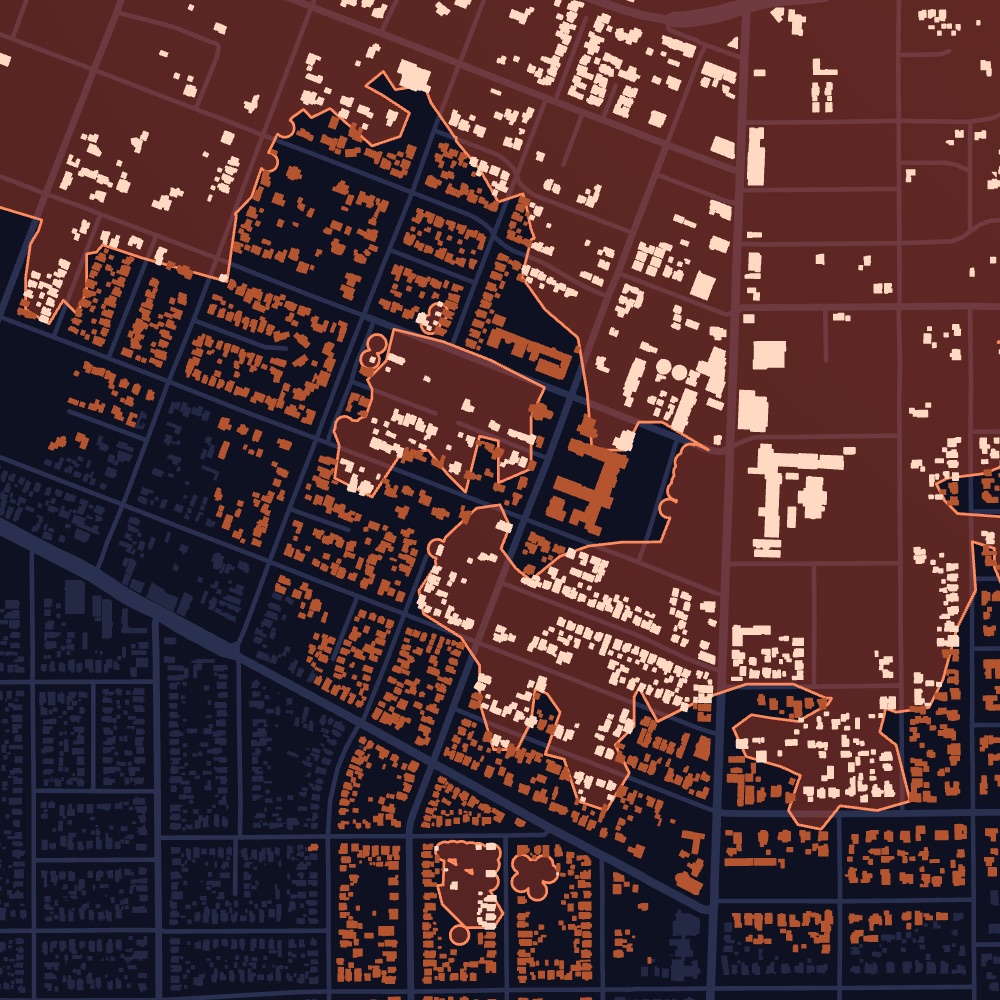
Dorothy's hurricane model shows wind damage and inland flooding down to the building, and Dorothy matches each property to its owner of record. First-party property attorneys get storm reports near any address with distance and time, plus event history with dates, which helps build the timeline and test a carrier's position early in a file.
Frequently asked questions
Can weather data prove insurer bad faith?
Not on its own. Bad faith concerns how the claim was handled. Weather data shows what happened at the property and what information was available, which can support or undercut a bad faith theory.
What is the most common weather dispute after a hurricane?
Wind vs. water. Policies often treat wind and flood differently, so whether damage was caused by wind, surge or inland flooding frequently decides which coverage responds.
What official source shows a hurricane's track and intensity?
The National Hurricane Center's Tropical Cyclone Reports, which include a post-analysis best track of the storm's positions and intensities.
Are bad faith rules the same in every state?
No. Standards, remedies and pre-suit requirements vary by state. Confirm the rules with counsel licensed where the property is located.