
First-Party Property Claims Leads: How Law Firms Find Cases
First-party property firms find denied and underpaid storm claims through three main routes: referrals from people who see the claims first, marketing that brings policyholders to the firm, and an intake process that quickly separates strong files from weak ones. Weather and property data make all three work better, because they tell you where real damage happened and whether a claim lines up with an actual event at the address.
This guide is general information, not legal advice.
Where first-party property cases come from
Most denied and underpaid claims surface weeks or months after the storm, once the carrier has made a decision the policyholder disagrees with. By then the owner has usually talked to a contractor, a public adjuster or a restoration company. Those are the people who see the claim file first.
| Source | When cases arrive | What to watch |
|---|---|---|
| Public adjusters | After a stalled or disputed claim | Make sure the PA's role and fee are clear in the file |
| Roofers, restoration companies and contractors | After an estimate is rejected or underpaid | Their scope is useful evidence; their opinion on coverage is not |
| Other attorneys | When a matter falls outside their practice | Follow your state bar's rules on referral fees and fee sharing |
| Policyholders who find you | When they search after a denial | Depends on your content, reviews and permitted advertising |
| Existing clients | Repeat losses and word of mouth | Often your strongest files |
Referral relationships
Referral partners need to know what a good file looks like for your firm. Tell them the property types, loss types and states you handle, and what you need to evaluate a matter: the policy, the denial or payment letter, photos, estimates and the date of loss. Partners who send organized files make intake faster for everyone.
Marketing that follows the rules
Attorney advertising and solicitation are regulated by each state's bar, and the rules after a disaster can be strict. Follow your state bar's rules on advertising, solicitation, disclaimers and timing in every state where you practice. Never contact disaster victims directly in ways those rules prohibit. Content that answers real questions, such as what to do after a denial, how appraisal works or how to document a date of loss, brings policyholders to you when they are ready to look for help.
Use weather data to decide where to focus
Not every storm produces disputed claims at scale. Before you put time and budget behind an event, check what actually happened on the ground.
- Intensity at the property level. Tornado path and EF rating, wind speeds, flood depth, hurricane wind and surge, wildfire perimeter. Hail matters too, but usually alongside wind or tornado damage.
- Ground truth. National Weather Service Local Storm Reports and survey data confirm damaging conditions near specific places. Our guide on NWS Local Storm Reports explains how to read them.
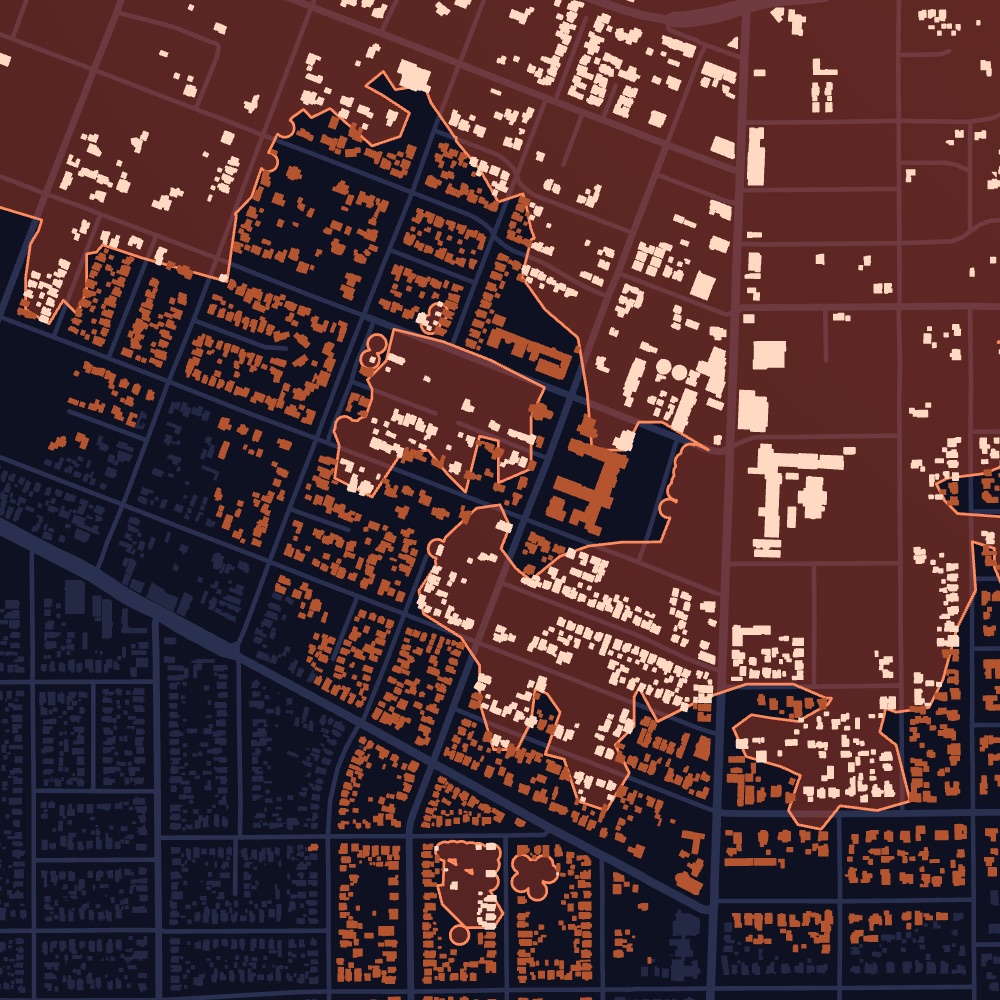
- Footprint. How many buildings sit in the damaging part of the event, and what kind: homes, apartments, retail, warehouses, churches, schools.
- Your bar admissions. Whether the event falls in states where your firm can practice.
According to NOAA's National Centers for Environmental Information, the Storm Events Database recorded 14,426 events with property damage in 2025, and the Storm Prediction Center counted 1,383 tornadoes that year. Disputes follow damage, and the damage is spread across far more events than the ones that make national news.
Screen every inquiry against the evidence
A good intake process finds the strong files fast and spots problems before the firm invests in them. Use this checklist on every new matter.
- Confirm the address and the owner. Check who owned the property on the claimed date of loss. A sale or transfer can complicate standing.
- Confirm the date of loss. Look for weather events that reached the address around the claimed date. If nothing fits, look for another date before you go further. Our guide on how to verify date of loss walks through it.
- Match the event to the damage. Wind, water, fire and tornado damage leave different marks. The claimed cause has to fit what the photos show.
- Read the denial or payment letter. Note the stated reason: cause of loss, exclusion, late notice, prior damage, wear and tear, or scope.
- Collect the documents. Policy and declarations, claim correspondence, the carrier's estimate, the policyholder's estimate, photos and any engineer report.
- Check timing. Notice provisions, suit limitation clauses and statutes of limitation vary by policy and state. Have an attorney review the dates on every file.
- Log the source. Record who referred the matter and how it arrived, so you know which channels produce your best cases.
Common reasons storm claims are disputed
- The carrier says the damage came from an earlier storm or from wear and tear
- The carrier attributes damage to an excluded cause, such as flood or surge rather than wind
- The scope is too narrow, for example spot repairs instead of a full replacement
- Notice came late relative to the policy's terms
- The date of loss doesn't match a weather event the carrier can find
Each of these is partly a weather and property question. Having sourced, dated evidence for the address early makes it easier to decide whether the file is worth taking.
Common intake mistakes
- Accepting the policyholder's date of loss without checking it
- Ignoring commercial and multifamily properties, where losses and policy terms differ
- Relying on a single referral partner
- Running post-disaster marketing without checking the bar rules in that state
- Waiting until litigation to gather weather evidence
How Dorothy helps
Dorothy monitors tornadoes, wildfires, floods, hurricanes and structure fires down to the building and matches each property to its owner of record across more than 155 million property records. Loss Engine monitors the territories you choose and researches which events and properties were affected, so your team can plan intake and check inquiries against storm reports near the property and the event history for the address, each with a date. How your firm markets must follow your state bar's rules.
Frequently asked questions
How do law firms get first-party property claims?
Mostly through referrals from public adjusters, contractors and other attorneys, from policyholders who search for help after a denial, and from existing clients. Any advertising must follow the state bar's rules where the firm practices.
Can a law firm contact homeowners after a storm?
Attorney solicitation is regulated by each state's bar, and many states restrict direct contact with disaster victims. Check your state bar's rules before any outreach, and don't contact owners in ways those rules prohibit.
What should a firm check before taking a storm claim?
Ownership on the date of loss, whether a weather event actually reached the address, whether the damage fits that event, the stated reason for denial or underpayment, and the timing provisions in the policy and state law.
Does weather data replace an expert?
No. Weather and property data help screen files and organize evidence early. Many disputed matters still need an engineer, meteorologist or other expert.