
Wildfire Property Damage Lawsuits: Mass Tort vs. Individual
After a major wildfire, property owners may have two very different kinds of claims. One is a claim against whoever is alleged to have caused the fire, which, when many owners are affected, is often handled as a mass tort. The other is the owner's own first-party claim against their insurer for the loss. The two run on different legal theories, different evidence and different timelines, and many owners have both.
This guide is general information, not legal advice.
Two kinds of wildfire claims
| Mass tort (third-party) | Individual first-party claim | |
|---|---|---|
| Against | The party alleged to have caused the fire | The owner's own insurer |
| Central question | Who caused the fire and are they liable? | What does the policy cover and was it paid properly? |
| Key evidence | Origin and cause, conduct of the defendant | Policy terms, damage, valuation, claim handling |
| Who brings it | Many owners, often coordinated across firms | One owner or business at a time |
| Typical timeline | Often long | Varies; can resolve sooner |
| Damages | Losses not covered by insurance, and others where the law allows | Policy benefits, and more where state law allows |
Both paths are shaped by state law, including rules on liability, damages, insurer subrogation and how recoveries interact. Confirm the rules in the state where the fire occurred with counsel who practices there.
Why scale matters
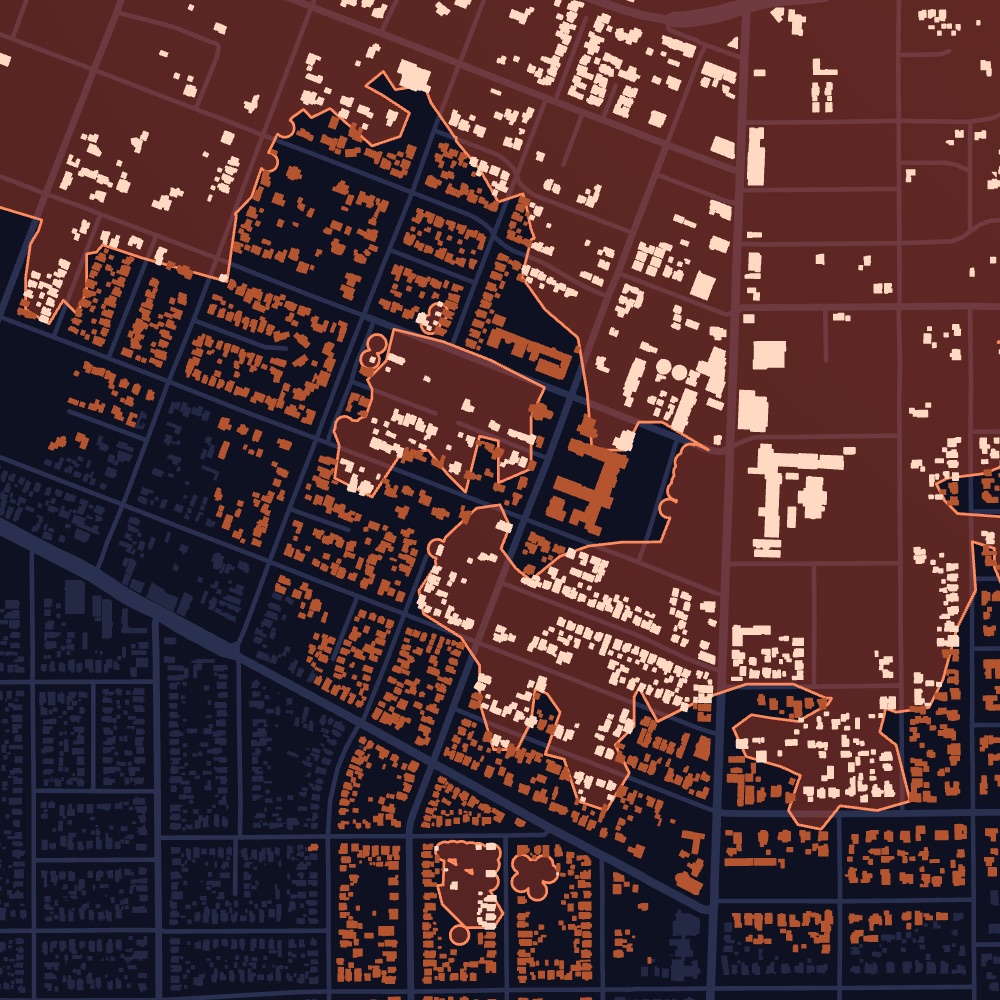
Wildfires can affect thousands of properties in a single event. The Eaton Fire had 10,933 structures inside its perimeter, and in 2025 at least 23 wildfires had more than 50 structures inside the burn perimeter, based on public wildfire and building records. At that scale, firms need a clear way to tell which properties were actually affected and how.
Being inside the perimeter doesn't mean a building burned. Some structures inside a perimeter survive, and some damage, such as smoke and ash, happens outside it. Property-level evidence matters for both kinds of claims.
The mass tort side
When a fire is alleged to have been caused by a company or other party, claims from many affected owners are often coordinated. The work centers on:
- Origin and cause. Investigations by fire agencies and experts into where and how the fire started.
- Liability. Whether the alleged cause creates legal responsibility under the state's law.
- Plaintiff records. For each owner, proof of ownership, the property's location relative to the fire and the type and extent of damage.
For firms handling many clients, the property records are a large part of the work. Each client file needs the address, the owner of record on the date of the fire, the property type and evidence of what happened to that structure.
The individual first-party side
An owner's own insurance claim usually moves first, because they need money to recover. Common disputes after a wildfire include:
- Total loss vs. partial loss. Whether the structure is a total loss or repairable.
- Smoke and ash damage. Especially for properties outside the perimeter or that survived inside it.
- Valuation and limits. Whether the dwelling, contents and other limits match the cost to rebuild.
- Additional living expenses. How long they last and what they cover.
- Contents. Inventory requirements and depreciation.
Some of these disputes may go to appraisal; others, such as denials or handling problems, may need litigation. Our guide on the insurance appraisal clause compares the two paths.
When an owner has both claims
Many wildfire clients have a first-party claim and a potential mass tort claim at once. That raises practical questions to work through early:
- Who handles what. Is your firm handling both, or coordinating with another firm?
- How recoveries interact. Insurance payments, insurer subrogation and third-party recoveries can affect each other. The rules vary by state.
- Deadlines. First-party claims run on policy terms and state law; tort claims run on their own limitation periods. Calendar both.
- Shared evidence. Ownership records, damage documentation and property data often serve both claims. Organize them once.
- Client communication. Owners recovering from a fire need a clear explanation of the two processes and what to expect from each.
Intake and outreach after a wildfire
High-profile fires draw a lot of legal marketing. Attorney advertising and solicitation are regulated by each state's bar, and contact with disaster victims is often restricted. Follow your state bar's rules on advertising, solicitation and timing, and never contact fire victims directly in ways those rules prohibit. Referrals from other professionals and policyholders who seek out your firm remain the steady sources of well-documented files.
At intake, confirm for every property:
- The address and the owner of record on the date of the fire
- Where the property sits relative to the fire perimeter
- What happened to the structure: destroyed, damaged or smoke-affected
- The insurance status and where the first-party claim stands
- Which claims the owner may have, and which firm is handling each
Common mistakes
- Treating every property inside the perimeter as destroyed
- Ignoring smoke and ash claims outside the perimeter
- Letting the first-party claim stall while focusing on the mass tort
- Missing a deadline on one claim while working the other
- Running post-fire marketing without checking the state bar's rules
How Dorothy helps
Dorothy's wildfire model shows which structures likely burned, down to the building and with a confidence level, and matches each property to its owner of record across more than 155 million property records. First-party property attorneys get event history for any address, with dates, which helps organize client files and property evidence across a large fire.
Frequently asked questions
What is the difference between a wildfire mass tort and an insurance claim?
A mass tort is brought by many owners against a party alleged to have caused the fire. An insurance claim is the owner's own claim under their policy. Many owners have both.
Can I file an insurance claim and join a wildfire lawsuit?
Often both are possible, but how they interact, including insurer subrogation and offsets, depends on state law. Ask counsel licensed in the state where the fire occurred.
Does a property have to burn to have a wildfire claim?
Not always. Smoke, ash and heat can damage properties that didn't burn, including some outside the fire perimeter. Coverage and liability depend on the policy and the facts.
How do firms confirm which properties a wildfire affected?
By comparing each address with the fire perimeter, damage assessments and imagery, and confirming the owner of record on the date of the fire.