
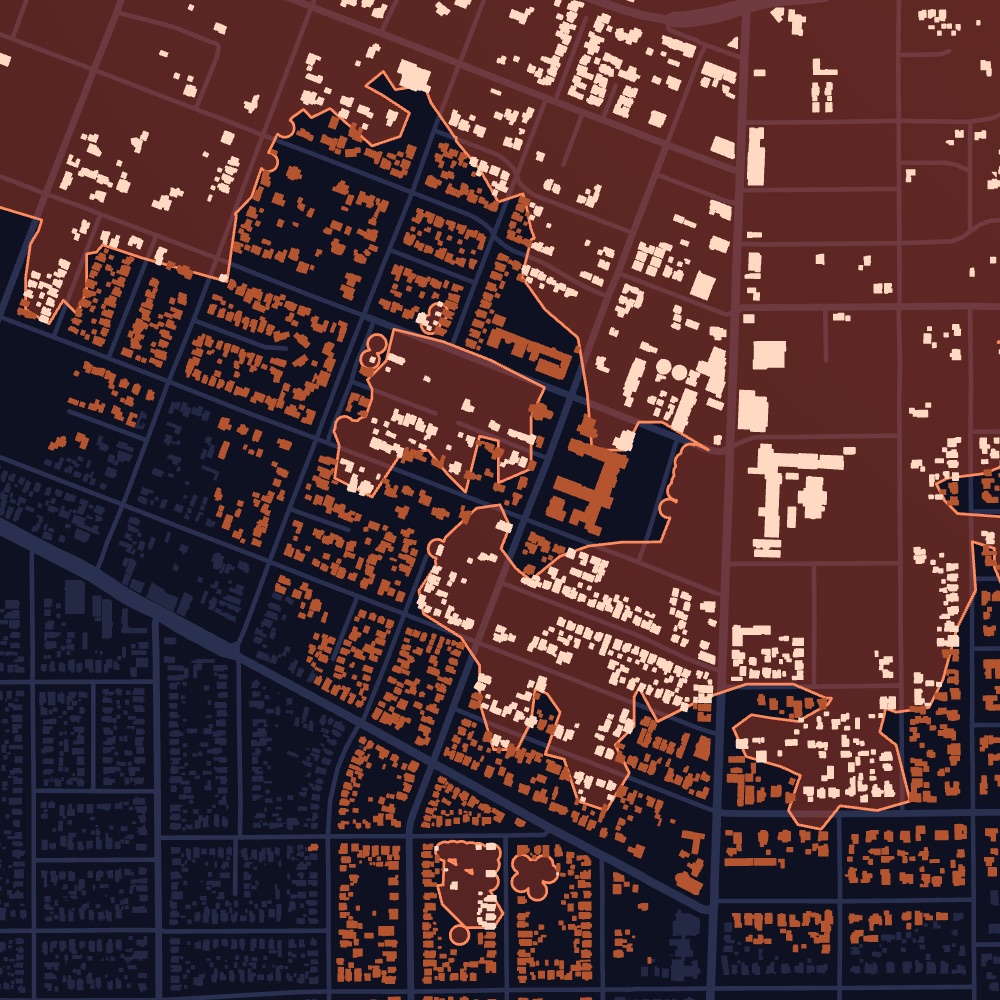
Warehouse Storm Damage: Tornado and Flood Exposure
Warehouses and distribution centers are exposed to tornadoes and floods in specific ways: large, flat roofs and wide overhead doors are vulnerable to wind, and loading docks, low sites and floor-level inventory are vulnerable to water. Knowing which of your buildings are in the path before an event, and which were hit after it, lets you protect inventory, keep people safe and reroute freight before the network backs up.
Why warehouses are exposed
Distribution buildings are built for throughput, not for storms. Some common features raise their exposure:
| Feature | Tornado and wind exposure | Flood exposure |
|---|---|---|
| Large, low-slope roofs | Wind can lift roof covering and decking | Ponding if drains clog |
| Many overhead and dock doors | Doors can fail under wind pressure, letting wind into the building | Water enters at grade |
| Tall racking | Can be damaged if the building envelope fails | Bottom-level pallets sit in water |
| Rooftop units and skylights | Can be torn off, leaving openings | Leaks after roof damage |
| Sites near highways, rail and rivers | Open land around the site | Low-lying land near waterways |
| Trailer yards | Trailers and equipment can be moved by wind | Yards can flood and block access |
A single damaged dock door can let wind and rain into a building, and once the envelope opens, the damage inside can spread to racking and inventory.
Tornado exposure
Tornadoes are not limited to one region. The Storm Prediction Center counted 1,383 tornadoes in the United States in 2025. Many large distribution buildings sit in the central and southeastern U.S., where tornadoes are common, and along corridors where land is open and flat.
Warning times for tornadoes are short. Planning for them means:
- Sheltering people. Identify refuge areas for staff and drivers, and practice moving people quickly in a large building.
- Stopping operations fast. Agree on who can stop work and close doors when a tornado warning covers the site.
- Securing the yard. Know what can be moved or secured in the time you have.
Flood exposure
The National Centers for Environmental Information recorded 7,374 flood and flash flood events in 2025 that were not tied to tropical systems. Flooding can come from rivers, heavy rain overwhelming local drainage, or hurricanes.
For warehouses, flooding often matters even when the building itself stays mostly dry:
- Access. Flooded roads and yards can stop trucks and staff for days.
- Docks. Below-grade truck wells can fill with water and send it into the building.
- Inventory. Bottom-level pallets and floor-stored goods are the first to be damaged.
- Power. Electrical rooms, refrigeration and conveyor controls may sit at floor level.
Flood forecasts usually give more warning than tornado warnings. That time is valuable if you use it to raise inventory, protect equipment and plan freight around the site.
Before the season: a preparation checklist
- Map your network. List every warehouse, DC, cross-dock and yard with address and function.
- Rank sites by criticality. Which buildings, if closed for a week, would cut off the most customers or stores?
- Check site details. Roof age and type, dock door ratings, floor elevation relative to nearby water, generator and fuel.
- Plan freight alternatives. For each critical site, decide which other sites can absorb its volume.
- Pre-approve vendors. Roofing, restoration, dock door repair, electrical, debris removal.
- Set alert routing. Site leaders, regional operations and facilities should get forecast and impact alerts for their buildings.
When an event is forecast
- Move high-value and water-sensitive inventory off the floor at sites in a flood forecast area
- Clear roof drains and check sump pumps
- Confirm generator fuel and test where possible
- Plan reduced shifts and early release for staff
- Notify carriers and customers of possible delays
- Shift outbound volume to backup sites if the forecast is serious
After the event: respond in order
- Account for people. Staff, drivers and contractors on site.
- Identify affected buildings. Which sites were inside the tornado path or flood area, not just the warning?
- Check status. Call each site, then inspect the ones that are damaged or not answering.
- Protect the building. Temporary roof covering, door repairs, water removal and drying.
- Document. Dated photos of the building, racking and inventory before cleanup, for the insurance claim.
- Reroute freight. Move volume to backup sites until the affected site is cleared to operate.
- Report. Give leadership a site-by-site status with expected return dates.
Do not reopen a building until roof, racking and electrical systems have been checked by qualified people.
Structure fires in warehouses
Warehouse fires are another source of sudden closures. Large fire loads, stored goods and big open spaces mean a fire can close a building for a long time, and fires in neighboring buildings in an industrial park can affect your site through smoke, water and access. Include fire alerts in your monitoring alongside weather.
How Dorothy helps
Atlas monitors your warehouses, distribution centers and yards for tornadoes, floods, hurricanes, wildfires and structure fires, down to the building. It alerts your team when a storm is forecast to hit a site and again when it touches down, so operations knows which buildings were actually in the damage area and can reroute freight early. Alerts can be delivered into HubSpot, Pipedrive or CSV.
Frequently asked questions
Why are warehouses vulnerable to tornado damage?
Large low-slope roofs, many overhead doors and rooftop equipment can fail under strong wind, and once the building envelope opens, wind and rain can damage racking and inventory inside.
How do floods affect distribution centers?
Through water at docks and floor level, damaged bottom-level inventory, floor-level electrical equipment, and flooded roads and yards that stop trucks and staff.
What should a warehouse do when a flood is forecast?
Raise water-sensitive inventory, clear drains, check pumps and generators, warn carriers and customers, and plan to shift volume to backup sites.
How do logistics teams know which sites were hit?
By matching every site in the network to the actual tornado paths and flood areas after the event, then confirming status with each site.