
Restoration Lead Sources: Shared vs Exclusive vs Your Own Data
The right restoration lead source is the one with the lowest cost per completed job for the work you want, not the lowest price per lead. Shared leads are cheap per lead but you compete for each one. Exclusive leads cost more but are yours alone. Referrals and program work bring volume on someone else's terms. Your own property and event data takes setup but builds a pipeline nobody else controls. Most companies need a mix.
Price per lead is the wrong number
A lead is a chance at a job. What matters is how many leads it takes to win one job, how big that job is and what it costs your team to work it.
A simple way to compare sources:
Cost per job = (what you pay for leads + time your team spends working them) ÷ jobs won
Then compare that cost with the average job size from the same source. A source with a higher cost per job can still be the better source if it brings larger losses.
The main restoration lead sources
Shared leads
A lead seller collects requests from owners, usually through websites and ads, and sends each request to several companies.
- Strengths: fast to start, no relationships needed, steady volume in many markets.
- Weaknesses: you compete with other companies on every lead, the race is won by whoever calls first, quality varies, and the pipeline stops when you stop paying.
Exclusive leads
The same model, but each request goes to one company.
- Strengths: no direct competition on the lead, better chance of winning.
- Weaknesses: higher price per lead, still depends on the seller's marketing and quality, still a rented channel.
Pay-per-call and paid search
You run ads or buy calls directly, usually for terms like "water damage restoration near me."
- Strengths: owners with an active loss, calling you by name.
- Weaknesses: competitive, requires ongoing spend and someone managing campaigns, quality depends on targeting.
TPA and insurance program work
Jobs assigned through programs. Our guide on growing without TPA work covers this source in detail.
- Strengths: steady volume, no selling required.
- Weaknesses: the program sets the terms, admin load, fees in some programs, and concentration risk.
Referral partners
Plumbers, roofers, agents, adjusters and property managers who send you work.
- Strengths: high trust, often good margins, repeat work.
- Weaknesses: slow to build, depends on relationships, volume is not in your control.
Your own event and property data
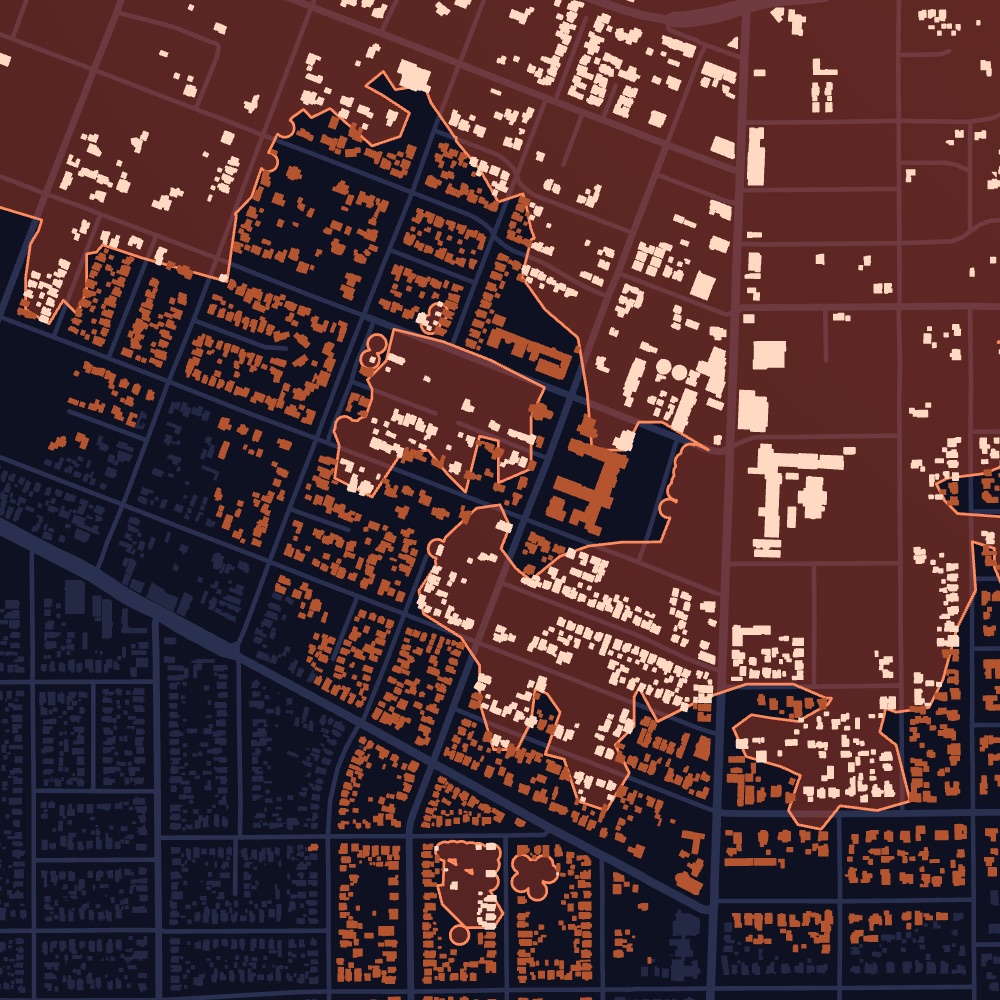
You watch your territory for floods, tornadoes, hurricanes, wildfires and structure fires, identify the properties affected and reach owners directly within the rules.
- Strengths: you see losses no seller or program has assigned, the property list is built for your territory and criteria, and it covers larger commercial and multifamily losses.
- Weaknesses: needs a process to qualify properties and contact owners, and results depend on event activity in your area.
Side by side
| Source | Competition per lead | Who controls it | Speed to start | Builds a long-term asset |
|---|---|---|---|---|
| Shared leads | High | Lead seller | Fast | No |
| Exclusive leads | Low | Lead seller | Fast | No |
| Pay-per-call and paid search | Medium | Ad platforms and you | Medium | Partly (brand) |
| TPA and program work | Low | Program | Slow (onboarding) | No |
| Referral partners | Low | Partners and you | Slow | Yes |
| Your own event and property data | Low | You | Medium | Yes |
How to measure your sources
Track the same fields on every job and every lost lead:
- Source, as specific as possible (which seller, which program, which partner, which event)
- Loss type: water, fire, mold, storm
- Property type: residential, multifamily, commercial
- Outcome: won, lost, not a fit
- Job size when won
- Time spent: calls, site visits, estimates on leads that did not close
- Days to payment
After three to six months of data, rank sources by cost per job and average job size. Many companies find a source they are overpaying for and one they are underusing.
Building a healthy mix
There is no single answer, but some patterns work:
- Use paid leads to fill gaps, not as the core of the business.
- Keep the programs that pay fairly and cut those that cost the most admin per job.
- Invest steadily in referral partners. They compound over time.
- Add a source you own. Watching your own territory for events means you are not waiting for someone else to send you the loss.
- Review the mix every quarter. Markets, programs and lead sellers change.
Questions to ask any lead provider
- Is each lead sent to one company or several?
- Where do the leads come from, and how are they verified?
- What happens if a lead is outside my area or not a real loss?
- Can I filter by loss type, property type and territory?
- Who owns the data after I receive it?
How Dorothy helps
Loss Engine is a source you control. It monitors your territories for floods, tornadoes, hurricanes, wildfires and structure fires, researches and qualifies the affected properties, matches each one to its owner of record and delivers them to your team on your schedule, in HubSpot, Pipedrive or CSV. You set the criteria, such as property type and loss type. Envoy can run outreach to those owners within each state's rules.
Frequently asked questions
Are exclusive restoration leads better than shared leads?
Exclusive leads can convert better because you are not competing on each one, but they cost more per lead. Compare both on cost per job won and average job size, not price per lead.
What lead source brings the largest restoration jobs?
It varies by company and market. Commercial and multifamily accounts, whether from property managers or from events in your territory, often bring larger losses than single-family residential leads.
How long should I test a lead source?
Long enough to see real outcomes, usually a few months, and track every lead including the ones you lost, so the cost per job is accurate.
Should I stop buying leads entirely?
Not necessarily. Paid leads can fill gaps while you build referral partners and your own data. The risk is depending on them for most of your jobs.