
Investor Reporting on Property Damage: LPs and Lenders
Investor reporting on property damage works when it is fast, factual and consistent: what happened, which assets were affected, what was done and what the expected impact is. LPs and lenders mainly want to know you were on top of the event before they heard about it elsewhere. This guide covers what to include, when to report and how to build the event records that make reporting easy.
Why event reporting matters
A storm, flood, wildfire or fire at one asset may be small for the fund but large for that property. Investors and lenders often hear about major events from the news, especially hurricanes and wildfires that cover whole regions. If they hear first and ask whether your assets were affected, you want an answer ready.
Good reporting also protects relationships. A short, early note that says "we checked every asset in the affected area, here is the status" builds more confidence than a detailed report that arrives weeks later.
Lenders and LPs need different things
| Lenders | LPs and investors | |
|---|---|---|
| Main concern | Collateral condition, insurance, loan compliance | Value, income, how the manager handled it |
| Trigger | Set by the loan documents | Set by your fund documents, reporting policy and judgment |
| Timing | Often defined in the loan agreement | Event note for material events, plus the regular report |
| Detail | Property-level: damage, repairs, insurance status | Portfolio-level summary, with detail on affected assets |
| Format | Lender's requirements or a standard notice | Your standard investor update |
Your counsel and loan documents decide what notice is required to lenders and when. Your fund documents and reporting policy decide what goes to LPs. This guide covers how to prepare the information, not the obligations themselves.
What to include in an event report
A useful property damage report, whether it goes to a lender, an LP or your own investment committee, includes:
- The event. Type, date and the area affected, stated plainly.
- Assets checked. Every asset in or near the affected area, including the ones with no damage.
- Assets affected. For each one: what was found, current status and whether anyone was hurt.
- Actions taken. Securing, mitigation, tenant communication and vendor work.
- Operational impact. Units or space offline, tenants affected and expected downtime, as far as known.
- Insurance status. Whether the event has been reported to the carrier, stated as a fact without predicting the outcome.
- Open items. What is not yet known and when the next update will come.
Avoid estimates you cannot support. "Assessment in progress, update by Friday" is better than a cost figure that changes three times.
When to report
Most managers use a simple tiering, agreed in advance with their finance, legal and investor relations teams:
- No impact. A major event near the portfolio, no assets damaged. A brief note can be worthwhile when the event is widely covered in the news.
- Minor impact. Damage handled within normal operations. Include it in the regular quarterly report.
- Material impact. Significant damage, displaced tenants, extended downtime or an event that may affect value or loan compliance. Report promptly, then update until resolved.
Write down what "material" means for your portfolio before you need it, and have it reviewed by your advisers.
Build the record as the event happens
Reporting is only as good as the records behind it. The easiest reports come from portfolios that log events in a consistent format from the first alert:
- The alert or source that identified the event, with the time
- The list of assets checked and the result for each
- Site photos and the property manager's notes
- Vendor reports and receipts
- The date the carrier was notified
- Status updates until the asset is back to normal
If every property manager reports in the same format, the asset manager can combine them into one portfolio summary in minutes instead of days.
Using official data to support the report
Public sources help you state the event accurately. NOAA's Storm Events Database records severe weather collected by the National Weather Service by state and county, and the Storm Prediction Center publishes storm reports for tornado and wind events. FEMA's Flood Map Service Center shows the mapped flood zone for an address, which lenders and investors may ask about after a flood. Citing official sources keeps the description factual.
Year-end and annual reporting
Over a year, event records turn into a useful summary for investors: how many events reached the portfolio, by type and region, how many led to damage, and how long assets took to recover. This sits naturally next to any physical climate risk reporting you already provide, because it shows observed events alongside modeled exposure.
This guide is operational. It is not legal, insurance or investment advice. Reporting obligations depend on your loan and fund documents and should be confirmed with counsel.
How Dorothy helps
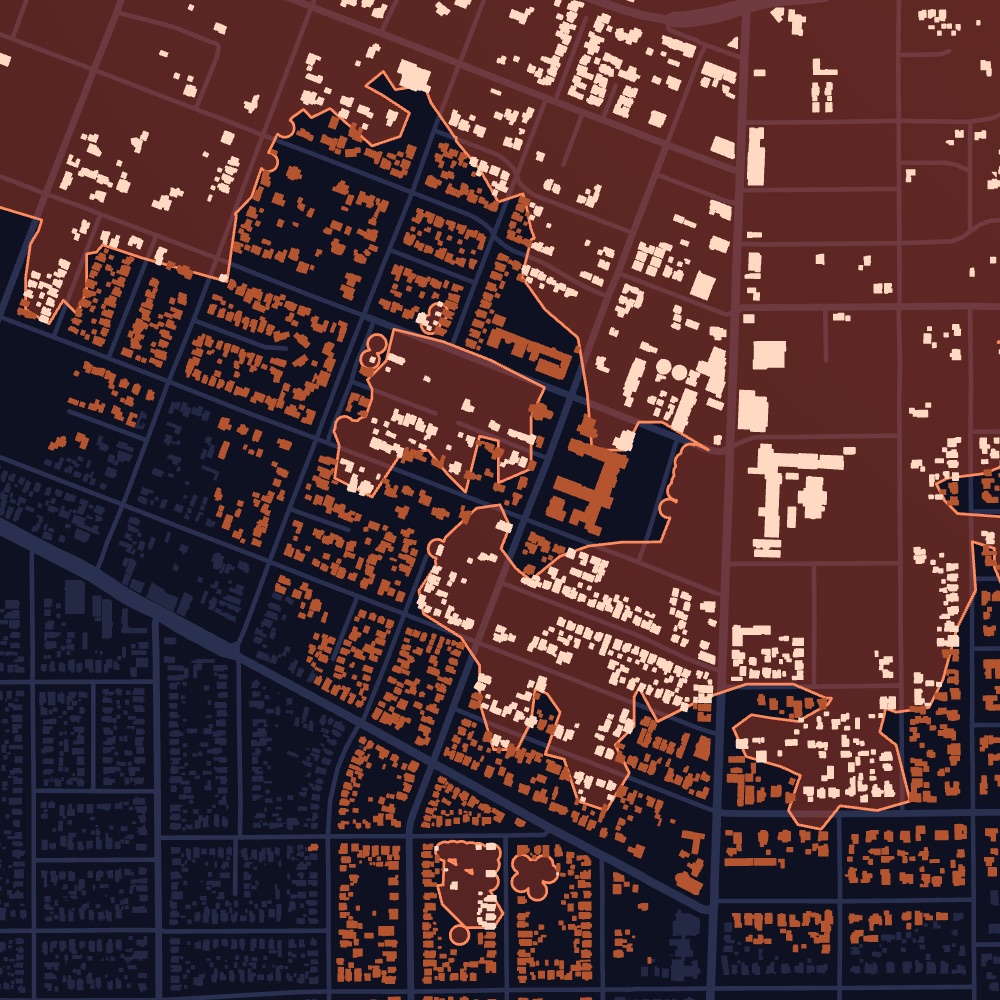
Atlas monitors your property portfolio for tornadoes, wildfires, floods, hurricanes and structure fires down to the building. It alerts your team when an event is forecast to hit an asset and when it touches down, so you know which assets to check before anyone asks, and each event starts with a dated, asset-level record you can build your report from.
Frequently asked questions
Do we need to tell LPs about every storm?
Not usually. Many managers report material events promptly and include minor ones in the regular report. Your fund documents and reporting policy set the rules, so confirm with your advisers.
What should a property damage update to investors include?
The event, the assets checked, the assets affected and their status, actions taken, operational impact, whether the carrier has been notified and the date of the next update.
When do lenders need to be told about property damage?
That depends on your loan documents. Review the notice provisions with counsel before storm season so the process is ready.
How can we report faster after a large event?
Keep a current asset list with contacts, use one reporting format for all property managers and use monitoring that tells you which assets were in the affected area.