
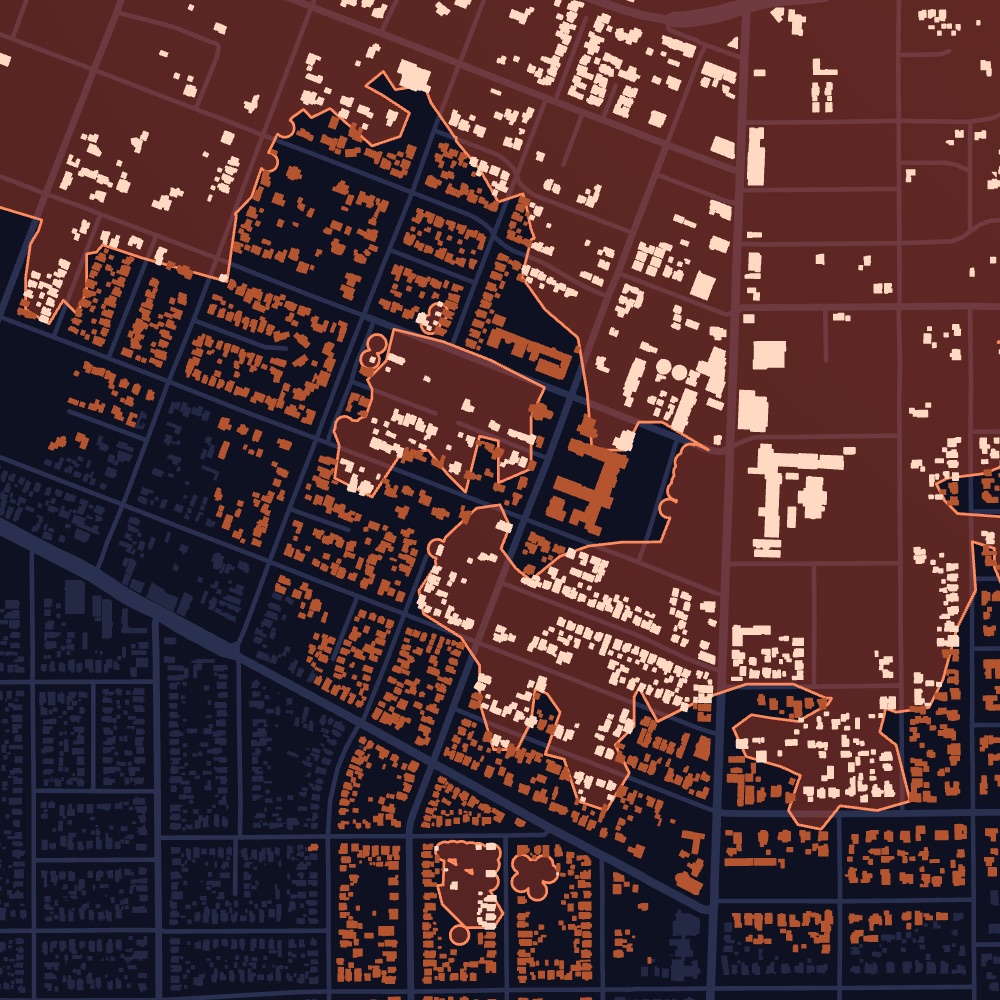
Facilities Storm Response: Prioritizing Site Inspections
After a storm, a facilities team cannot inspect every site at once, so the order matters. The sites to inspect first are those inside the actual damage area, then those that are most critical to operations, then those with people or inventory at risk. A clear ranking, decided before the event, keeps your team from spending the first day on sites that came through fine.
The problem with warning areas
Weather warnings cover large areas, and a regional storm can put dozens or hundreds of sites inside one. If facilities treats every site in the warning as a priority, the team spreads thin and the sites that were actually hit wait.
The better starting point is impact: which sites sat inside a tornado path, a flood extent, a hurricane's strongest winds or a wildfire perimeter. That list is usually much shorter, and it is where damage is most likely.
A ranking model for site inspections
Score each affected site on a few simple factors. Keep it simple enough to run at 3 a.m.
| Factor | Higher priority | Lower priority |
|---|---|---|
| Distance from damage | Inside the path or flood area | Edge of the warning area |
| Event type | Tornado, flood, fire, hurricane wind | Moderate thunderstorm wind |
| Site criticality | Distribution center, data room, flagship, supply hub | Single small store with nearby alternatives |
| People on site | Staffed overnight, residents, customers present | Closed or unstaffed |
| Contents | High-value inventory, refrigerated goods, hazardous materials | Low-value or easily replaced |
| Contact status | No answer from the site | Manager confirmed no damage |
A site inside a tornado path that supplies other locations and is not answering the phone goes to the top. A store at the edge of the warning whose manager reports no damage drops to a phone follow-up.
Before the storm: prepare the list
Prioritization works best when the hard work is done in advance.
- Maintain a current site list with addresses, site type, owned or leased, and contacts.
- Rate criticality for each site once a year. Ask operations which sites would hurt most if closed for a week.
- Record site details: roof type and age, generator, sump pumps, low-lying loading docks, shut-off locations.
- Pre-approve vendors for roofing, restoration, board-up, electrical and tree removal in each region.
- Set alert routing so the right regional facilities lead hears about forecast and impact alerts for their sites.
Right after the event: the first hours
- Confirm people are safe. Staff and customer safety comes before any building assessment.
- Pull the affected list. Match your sites to the event's damage area.
- Rank the list using the model above.
- Call each site in order. Record status: no damage, minor, closed, damaged, unknown.
- Dispatch inspections to damaged and unknown sites first.
- Hold vendors for the sites most likely to need them, before demand in the area spikes.
Do not send staff into a site that is not safe. Downed power lines, standing water, structural damage and gas leaks are reasons to wait for utilities or emergency services.
What to check on site
Give inspectors a short checklist so reports are consistent across regions.
- Roof: missing covering, punctures, displaced rooftop units, ponding water
- Building envelope: broken glass, damaged doors and overhead doors, wall damage
- Water: intrusion at roof, walls, floor drains or loading docks, wet inventory
- Power and systems: outages, generator status, HVAC, refrigeration, fire protection
- Site: downed trees, debris, parking lot and signage damage, access
- Neighbors: damage to adjacent buildings that could affect your site
- Photos: wide shots, close-ups, and date and time recorded
Good photos and notes taken early support the insurance claim and any landlord conversation later.
Reporting status upward
Leadership needs one view: how many sites were affected, how many are closed, what is being done and when sites will reopen. A shared status board updated after each inspection is enough.
| Site | Status | Damage | Action | Expected reopening |
|---|---|---|---|---|
| Site ID and city | Closed / open / limited | Short description | Vendor, inspection, claim | Date or unknown |
Update it on a set schedule, such as twice a day, so people stop calling facilities for updates.
Don't forget structure fires
Storms get the attention, but fires close sites too, and with no warning at all. A fire at your site or a neighboring building can cause smoke and water damage, power loss and closures. Treat fire alerts the same way as storm impact: confirm safety, check status, inspect, report.
After the season: review
Look back at each event. Which sites were hit more than once? Where did vendors fall short? How long did it take from impact to first inspection? Use the answers to update criticality ratings, vendor lists and site improvements, such as roof replacements or dock flood barriers.
How Dorothy helps
Atlas monitors your sites for tornadoes, floods, hurricanes, wildfires and structure fires, down to the building. It alerts your team when a storm is forecast to hit a site and again when it touches down, so facilities starts from the list of sites actually inside the damage area instead of everything in the warning. Alerts can flow into HubSpot, Pipedrive or CSV for your team's workflow.
Frequently asked questions
Which sites should facilities inspect first after a storm?
Sites inside the actual damage area, ranked by criticality, people on site, valuable contents and whether the site has confirmed its status.
Should we inspect every site in a tornado or flood warning?
Usually not in person. Confirm status by phone for sites at the edge of the warning and send inspectors first to sites inside the actual path or flood area.
What should a post-storm site inspection include?
Roof, building envelope, water intrusion, power and building systems, site and access, neighboring damage, and dated photos.
How do we report storm impact to leadership?
Use one shared status board with each affected site's status, damage, next action and expected reopening date, updated on a set schedule.