
Commercial Restoration Leads: How to Win Commercial Losses
Restoration companies get commercial losses in two ways: by becoming an approved vendor for the property managers, facilities teams and franchise brands who control commercial buildings, and by knowing quickly when a commercial property in their territory is hit by a fire, flood or storm. The first builds repeat work. The second gets you in front of new accounts at the moment they need help.
Why commercial losses are different
Commercial water damage and fire jobs are not just bigger residential jobs. They come with different buyers and different expectations.
| Residential loss | Commercial loss | |
|---|---|---|
| Decision-maker | Homeowner | Property manager, facilities manager, owner's rep, risk manager |
| How they choose | Often one call, quick decision | Approved vendor list, prior relationship |
| What they care about | Trust, speed, their home | Downtime, tenants, documentation, safety |
| Paperwork | Authorization, claim info | COI, W-9, safety program, sometimes a master service agreement |
| Repeat potential | Low | High across a portfolio |
The biggest difference is that most commercial buyers decide who they will call before the loss. If you are not on the list, you are usually not getting the call.
Who controls commercial losses
Property management companies
Property managers run apartments, office buildings, retail centers and mixed-use properties for owners. They handle tenant calls, after-hours emergencies and vendor selection. One relationship can open water and fire losses across many buildings.
Facilities teams
Hospitals, schools, universities, manufacturers and large corporate campuses often have in-house facilities teams. They tend to work from a short list of vendors and value a pre-loss plan.
Franchise and multi-location brands
Restaurants, retail chains, hotels and fitness brands often have a facilities or construction function at the corporate or regional level. Some let franchisees choose vendors; others set a national or regional vendor list. Learn which model each brand uses before you pitch.
Commercial owners and investors
Smaller commercial owners, such as an LLC with a strip center or a few warehouses, may handle vendors themselves. These are often the most reachable commercial accounts for a growing company.
How to get on the vendor list
- Pick a segment. Multifamily, healthcare, retail, industrial or hospitality. Each has its own needs. Start where you already have experience.
- Prepare your vendor packet. Certificate of insurance, W-9, safety program, licenses and certifications, references, a capabilities sheet with equipment and crew capacity.
- Offer a pre-loss plan. Walk the property, record shut-off locations, contacts, access and priorities. This gives the manager something useful before anything goes wrong.
- Define your response promise. State your after-hours number and arrival time in writing, and keep it.
- Do the first job well. The first small job is the audition. Communicate, document and invoice cleanly.
- Report back. Facilities and property managers report up to owners. Give them photos, a summary and a timeline they can forward.
Finding commercial properties that were hit
Vendor relationships take time to build. Events give you a reason to start a conversation now.
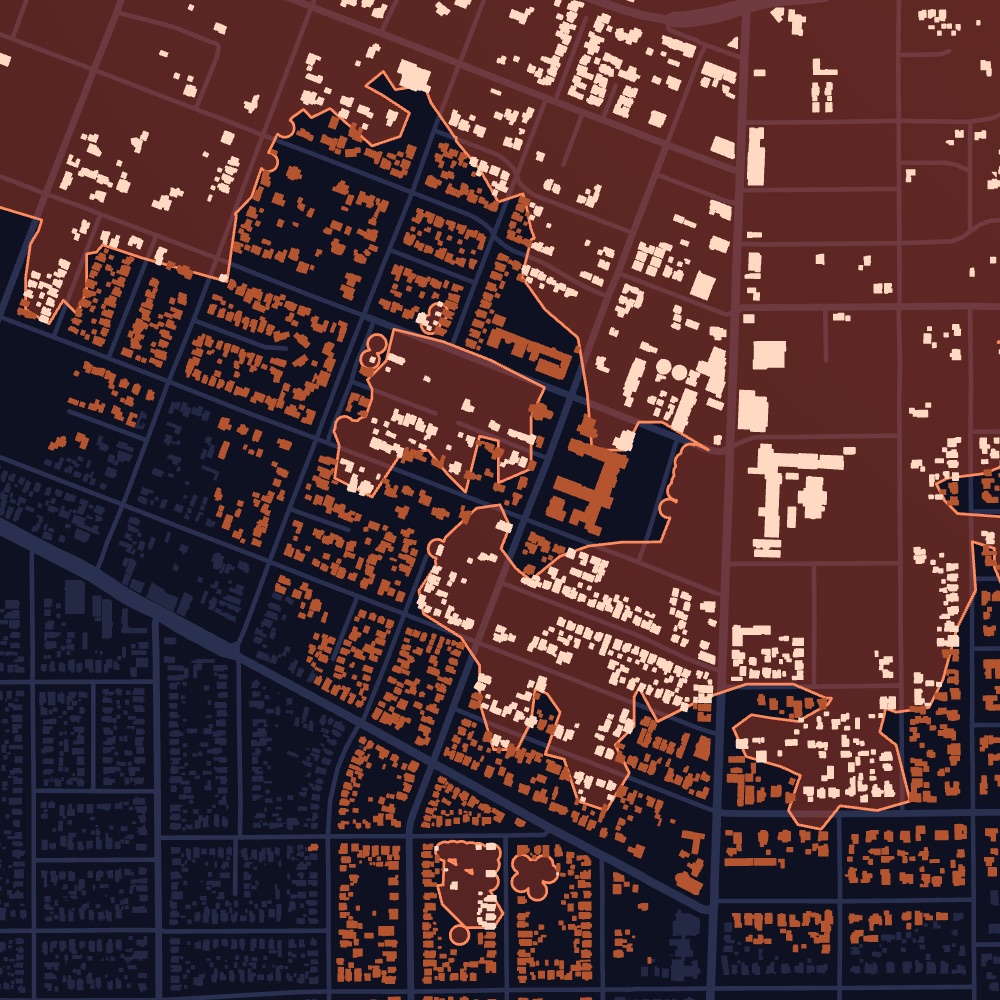
When a flood, tornado, hurricane, wildfire or structure fire hits your territory, look for the commercial properties affected:
- Which commercial buildings sit inside the damage area? Warehouses, retail centers, offices, medical buildings, apartment complexes.
- Who owns them? An LLC, a REIT, a local investor, a national brand.
- Who manages them? The owner of record is a starting point. From there you can find the property manager or facilities contact.
- What kind of loss is likely? Water intrusion after a tornado, flooding in a ground floor, smoke and water after a fire.
Commercial fires are a strong opening. Industrial, retail and warehouse fires often get little news coverage, so the owner may not be hearing from many companies.
First contact with a commercial account
Keep it professional and specific:
- The property and event you are contacting them about
- What you can do now (secure the building, extract water, protect inventory and equipment, document the loss)
- Your commercial experience and capacity
- How to reach you at any hour
Follow your state's and city's rules on contractor solicitation after a loss. Even when a building was not damaged this time, offer the pre-loss plan. That is how a cold contact becomes an account.
Staffing for commercial jobs
Commercial losses can outgrow a residential crew quickly. Before you pursue them, check:
- Equipment capacity for large-loss drying
- Ability to work nights and weekends to keep a business open
- Someone who can estimate and communicate with commercial clients
- Subcontractor relationships for specialty work
It is better to win a mid-size commercial job and do it well than to take on a loss you cannot staff.
How Dorothy helps
Loss Engine monitors your territories for floods, tornadoes, hurricanes, wildfires and structure fires, finds the commercial and multifamily properties affected and matches each one to its owner of record from more than 155 million property records. You set the criteria, such as property type and size, and qualified properties arrive in HubSpot, Pipedrive or CSV on your schedule. Envoy can handle compliant outreach to owners within each state's rules.
Frequently asked questions
How do I get commercial water damage jobs?
Get on approved vendor lists with property managers and facilities teams, offer pre-loss plans, and watch your territory for events that hit commercial buildings so you can reach owners and managers when they need help.
What do property managers look for in a restoration vendor?
Fast after-hours response, clean documentation, current insurance and safety paperwork, and clear reporting they can pass on to the owner.
Is commercial restoration work worth the extra paperwork?
For many companies, yes, because one account can bring repeat losses across many buildings. Start with one segment and build capacity before chasing large losses.
How do I find out who manages a commercial building?
Start with the owner of record from property records, then look for the management company through the owner, the building's leasing information or local commercial contacts.